
Products for Better Retention


$15.00


Available in: Size
5ml
$50.00
Selling Fast!


Available in: Size
5ml
$102.00
Selling Fast!


Available in: Size
5ml
$73.00
Selling Fast!


$66.00



Selling Fast!





Selling Fast!



$82.00



$50.00


Products for Better Lash Retention
Better lash retention depends on more than choosing a strong adhesive. The natural lashes must be clean, the glue must suit your working speed and salon conditions, and each extension must be applied with sufficient attachment.
Explore professional lash glues, cleansers, primers, boosters and bonding products designed to help lash technicians address common retention problems and create longer-lasting lash sets.
What Causes Poor Lash Retention?
Premature lash loss can occur when the adhesive cannot form or maintain a reliable bond. Identifying the cause of the problem will help you select the right product rather than simply changing glue.
| Retention problem | Possible cause | Product to consider |
|---|---|---|
| Extensions slide or brush off | Oil, makeup or residue remains on the natural lashes. | Lash Shampoo, Protein Remover Pads or Cleanser |
| Adhesive dries too slowly | The glue is too slow for the technician or current room conditions. | Faster-drying adhesive or Retention and Speed Booster |
| Adhesive dries before attachment | The glue is too fast for the technician, temperature or humidity. | Slower-drying or more flexible adhesive |
| Volume fans close during application | The adhesive is curing too slowly on the lash strip. | Retention and Speed Booster |
| Adhesive bonds become brittle | The bond lacks sufficient flexibility. | Flexible adhesive or Superbonder |
| Retention varies between clients | Natural-lash condition, lifestyle or aftercare differs. | Adapted preparation and personalised aftercare |
How to Choose Products for Better Retention
Match Your Adhesive to Your Working Speed
Your adhesive should remain workable until the extension is correctly placed against the natural lash. If the glue cures before attachment, the extension may appear secure but have a weak bond. If it cures too slowly, lashes can move, stick together or cause Volume fans to close.
Compare the drying time, temperature range, humidity range and viscosity before selecting a professional lash extension glue.
Remove Oil and Residue Before Application
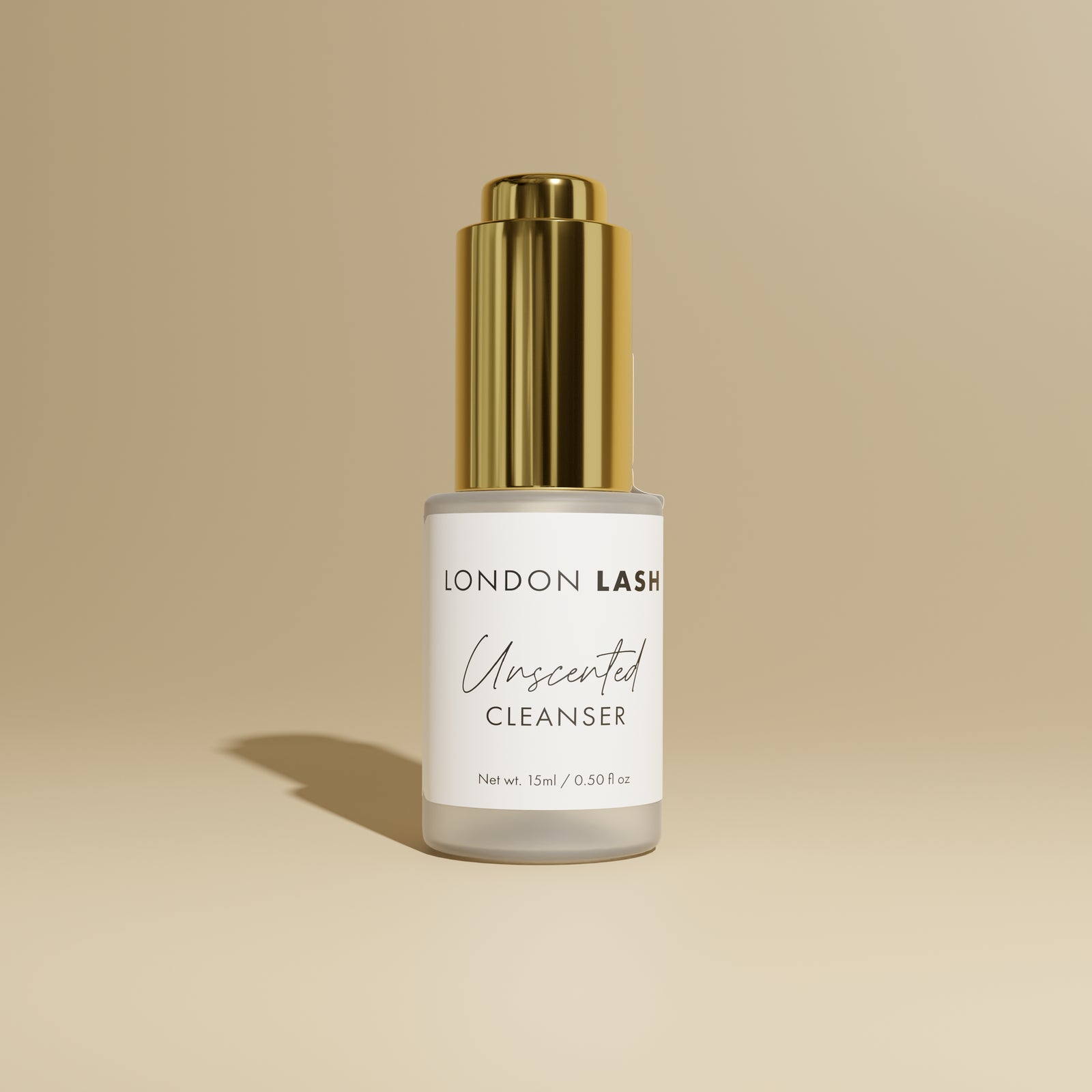
Makeup, skincare products, natural oils and protein buildup can prevent adhesive from bonding directly to the natural lash. Select cleansing products according to the condition of the client’s lashes rather than applying the same routine to every client.
Restore Moisture After Deep Cleansing
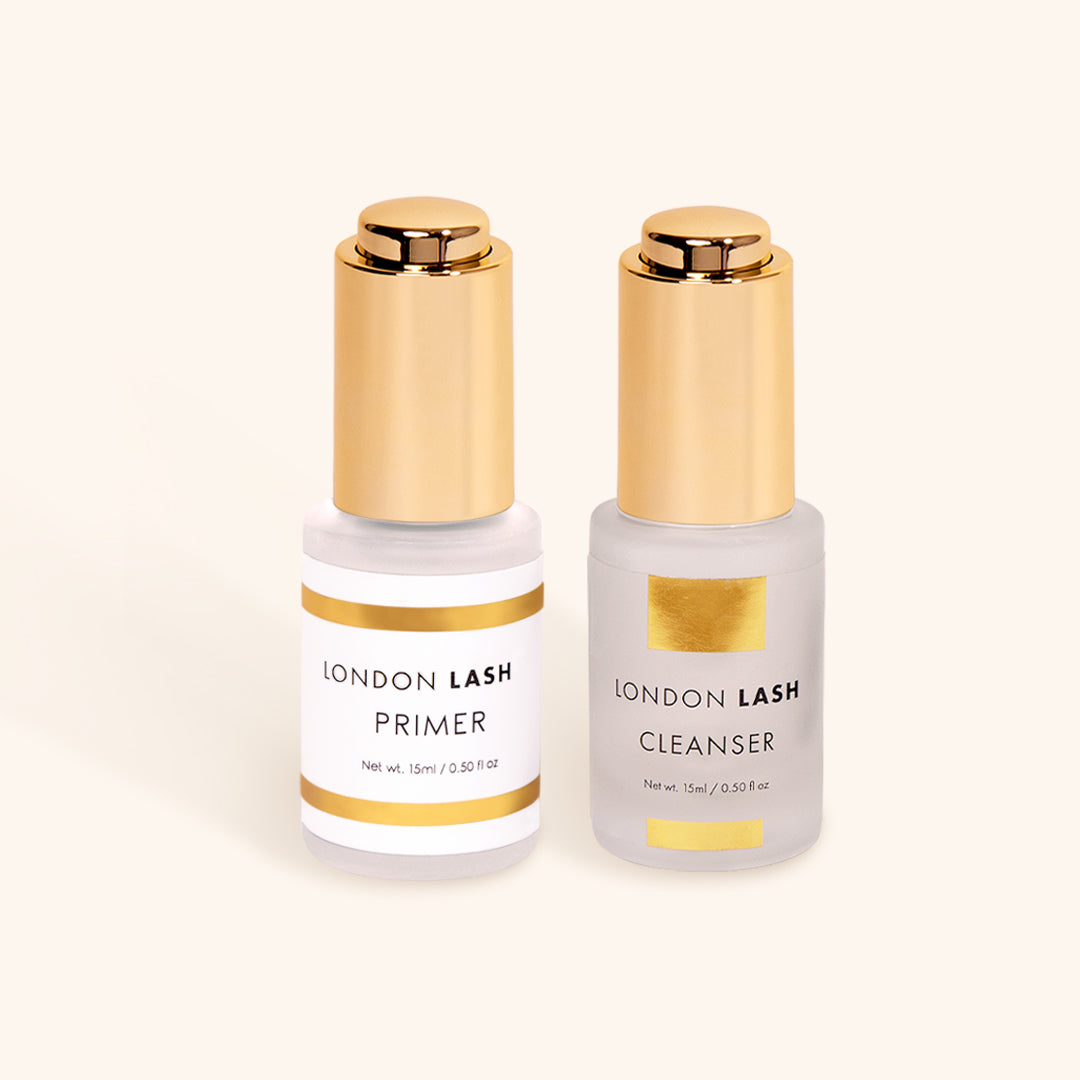
Deep cleansing removes oils and residue but may also leave the natural lashes dehydrated. Lash Primer restores moisture after cleansing and helps prepare a balanced surface for adhesive attachment.
Use Booster When Additional Curing Speed Is Needed
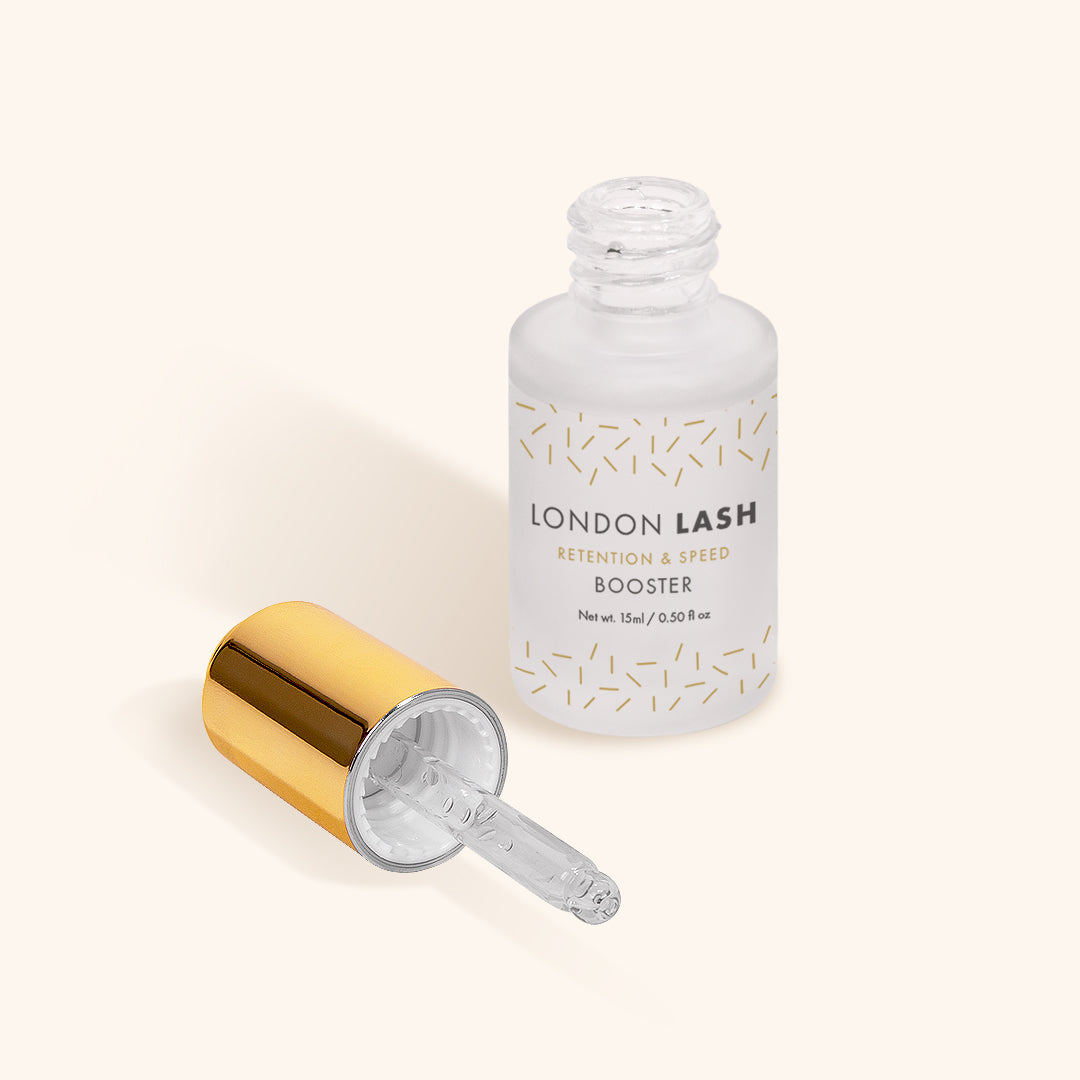
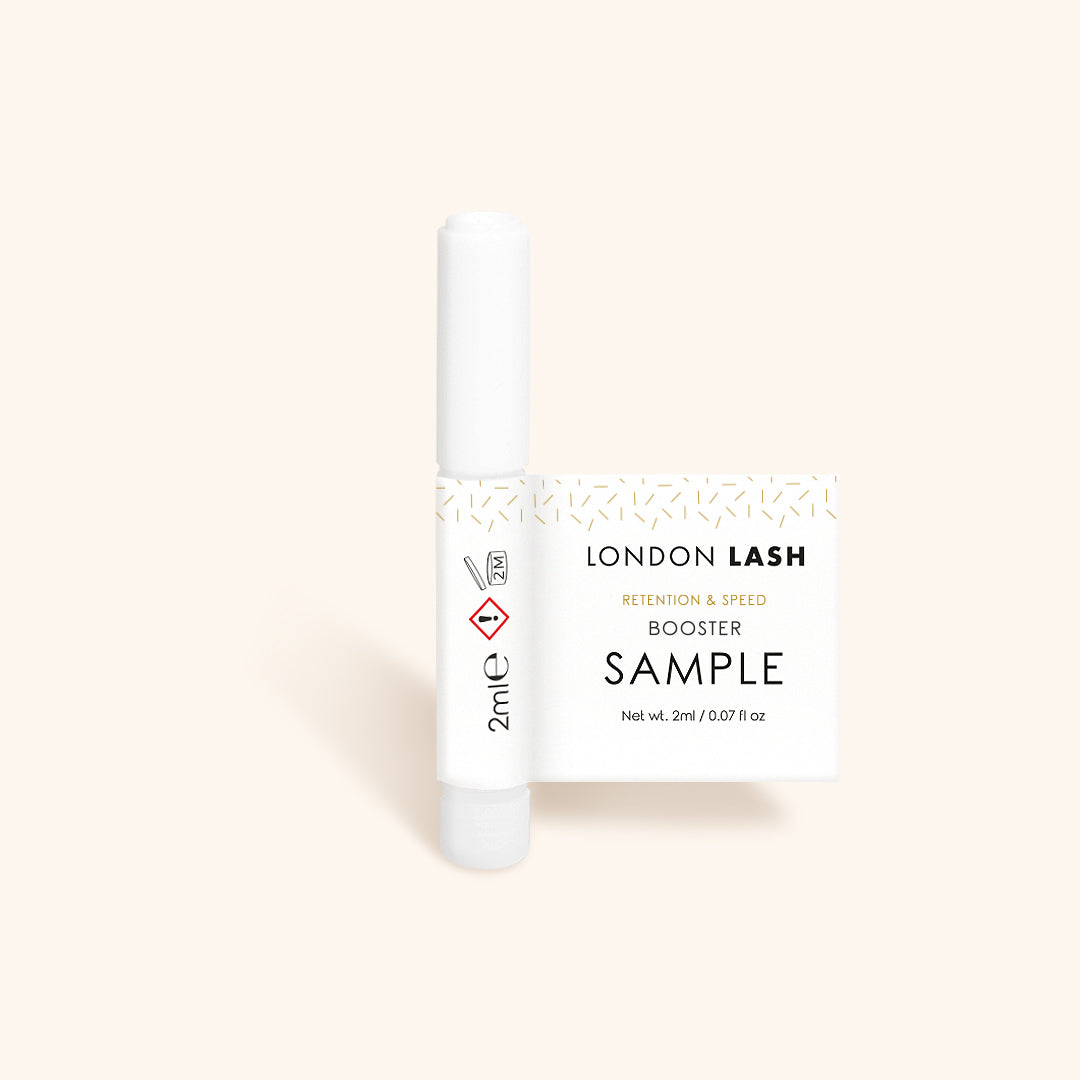
Retention and Speed Booster can support adhesive curing and help stop handmade fans from closing. It should be applied according to the product instructions and is not a replacement for choosing a glue suited to your treatment-room conditions.
Explore retention and speed boosters for additional application support.
Finish with Superbonder
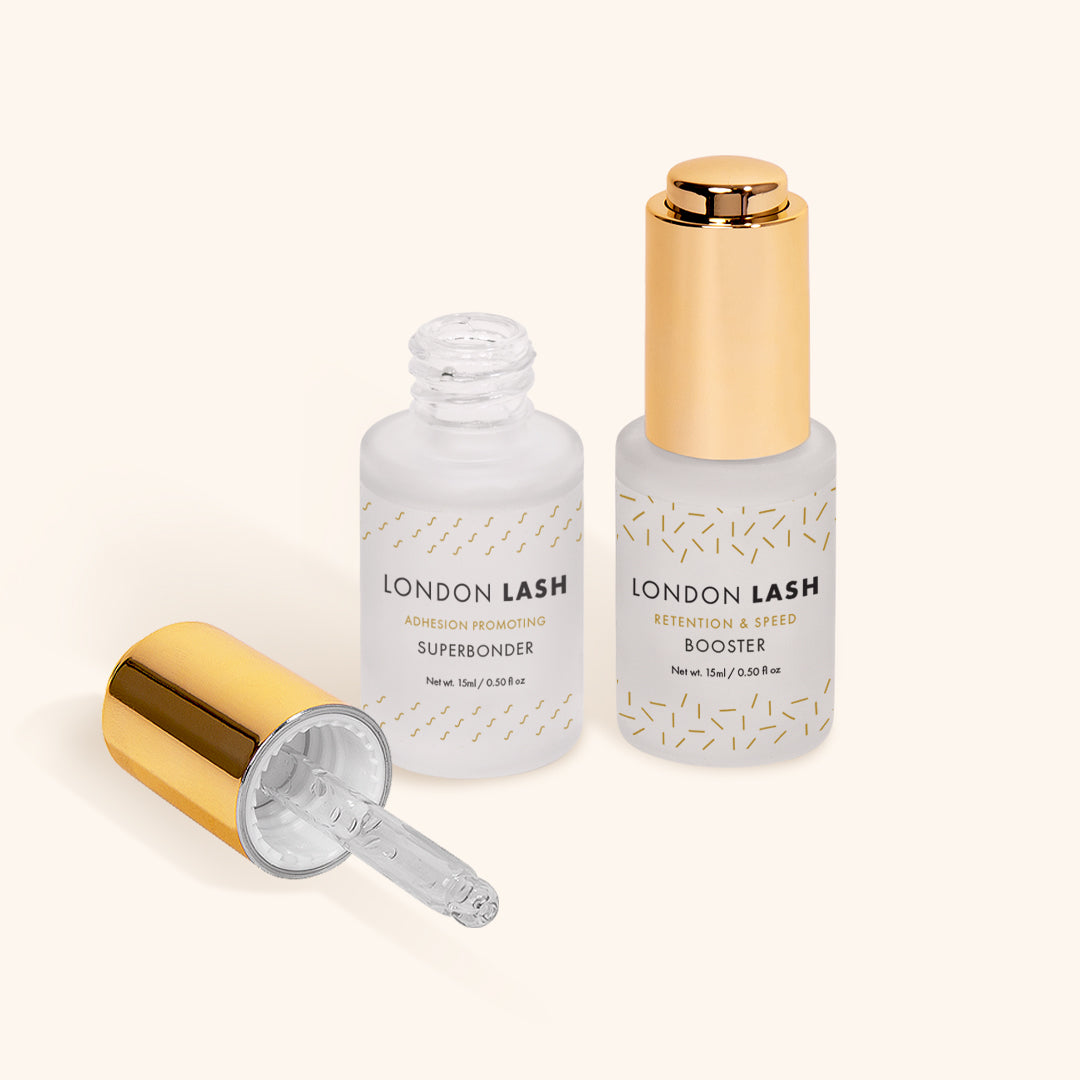
Superbonder is used after the lash set has been completed. It helps increase the flexibility of the adhesive bond and seal remaining adhesive fumes. Follow the recommended waiting time, application quantity and placement instructions.
Check Your Salon Conditions
Temperature and humidity affect how quickly lash adhesive cures. Check your treatment-room conditions throughout the day and compare them with the recommended range for your chosen glue.
- High temperature or humidity: Adhesive may cure more quickly than expected.
- Low temperature or humidity: Adhesive may cure more slowly.
- Changing conditions: Application performance may vary between appointments.
- Incorrect drying speed: The adhesive may cure before or after the ideal attachment point.
If room conditions cannot be adjusted, select an adhesive formulated for the environment rather than trying to compensate with additional glue.
Lash Retention Checklist
- Check the client’s lashes for makeup, oil and skincare residue.
- Clean the natural lashes thoroughly and allow them to dry.
- Use primer after deep cleansing where required.
- Confirm that the glue suits your speed, temperature and humidity.
- Refresh the adhesive drop regularly during the treatment.
- Use an appropriate amount of adhesive for the extension and technique.
- Create a sufficient attachment area without sticking lashes together.
- Apply Booster or Superbonder only according to their instructions.
- Provide clear, personalised aftercare guidance.
Client Aftercare and Retention
Good application cannot prevent every aftercare-related issue. Clients should clean their lashes regularly to remove oil, makeup and debris from around the lash line. They should avoid pulling, rubbing or picking at the extensions and follow the advice provided by their lash technician.
Recommend appropriate lash extension aftercare products so clients can maintain their extensions correctly between appointments.
Lash Retention FAQs
Why are lash extensions falling out after a few days?
Early lash loss may be caused by incomplete cleansing, unsuitable adhesive speed, changing room conditions, insufficient attachment or client aftercare. Check whether the extension has fallen without a natural lash attached, as this can indicate an adhesive or application issue rather than natural shedding.
Does a faster lash glue provide better retention?
Not necessarily. A glue that cures too quickly for your working speed can produce weak attachment. The best adhesive is one that gives you enough time to place the extension correctly in your normal temperature and humidity.
What is the difference between Booster and Superbonder?
Retention and Speed Booster is used during preparation or application to support curing and fan control. Superbonder is applied after completing the lash set to support bond flexibility and seal remaining fumes.
Can poor humidity cause lash-retention problems?
Yes. Humidity affects adhesive curing speed. Conditions outside the glue’s recommended range can cause it to cure too quickly or too slowly, leading to attachment problems.
Will using more adhesive improve retention?
No. Excess adhesive can create bulky bonds, stick neighbouring lashes together and affect comfort. Use an appropriate amount and concentrate on clean lashes, correct placement and sufficient attachment.
How does aftercare affect lash retention?
Oil, makeup and debris can build up around the adhesive bonds between appointments. Regular cleansing and avoiding unnecessary rubbing or pulling help clients maintain cleaner, more comfortable extensions.
Does better retention mean extensions should never shed?
No. Natural lashes continue to move through their normal growth and shedding cycle. Good retention means the extension remains securely attached until the natural lash sheds, rather than detaching prematurely.
