
Classic Picking Tweezers


from
$41.00









Sale
$32.00
$16.00


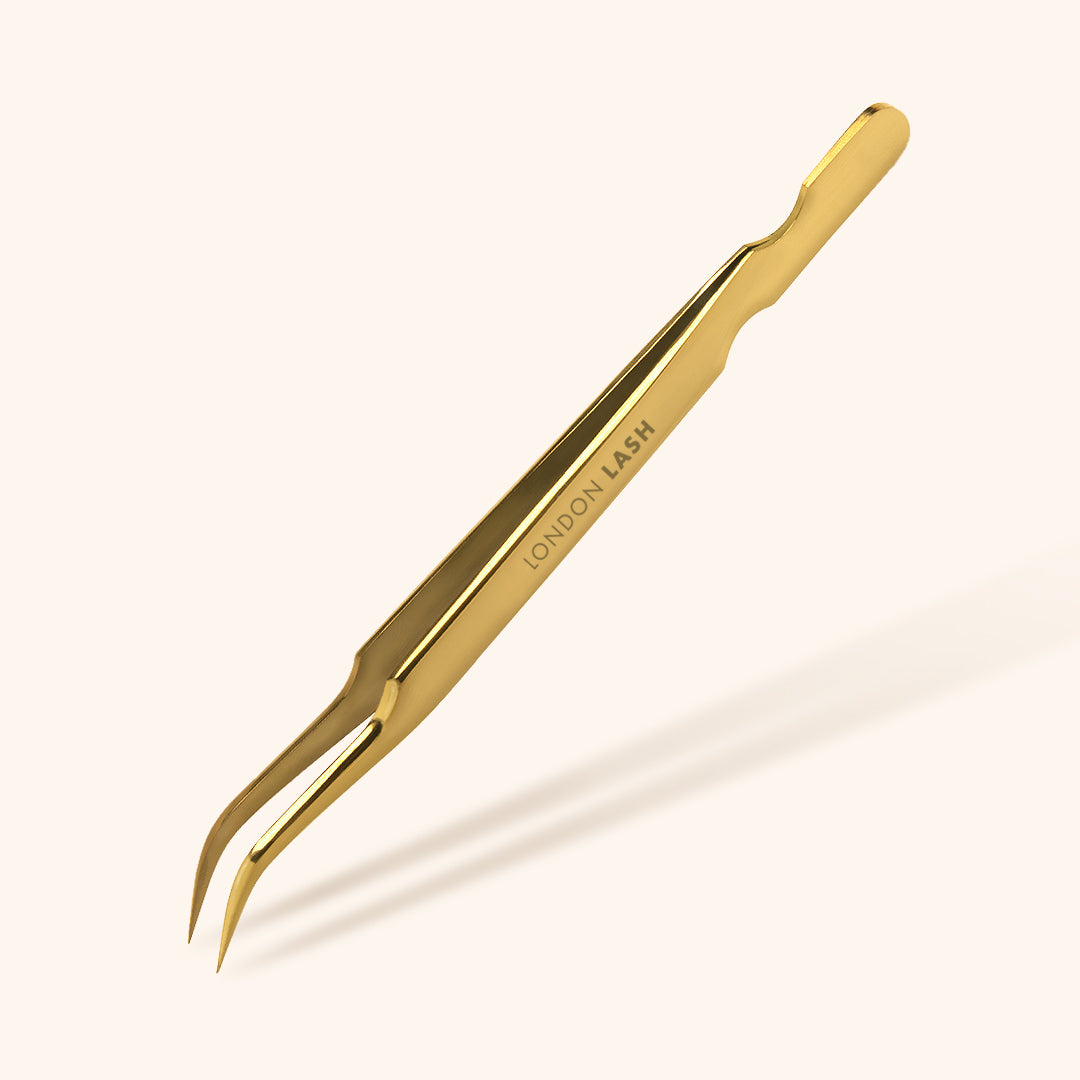


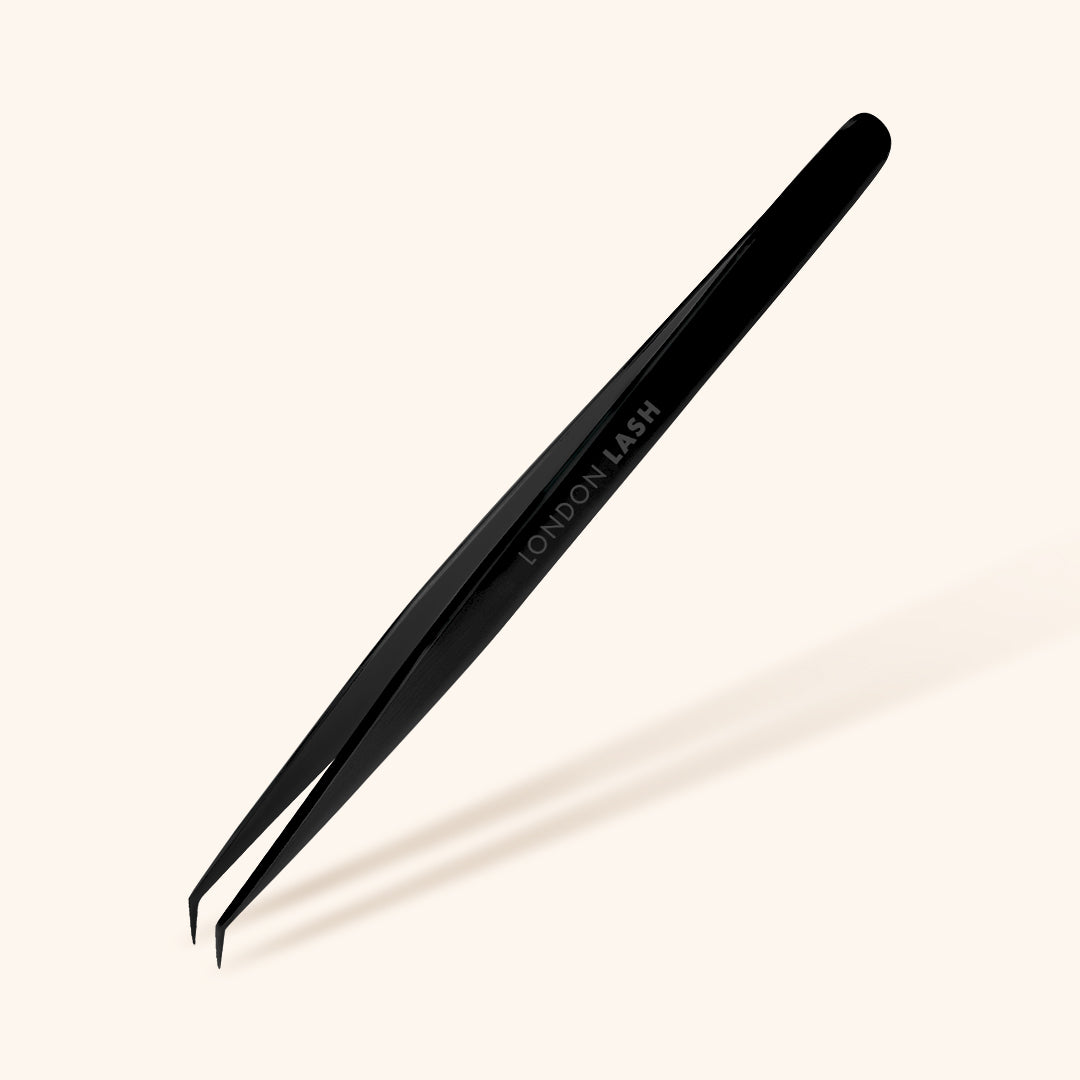

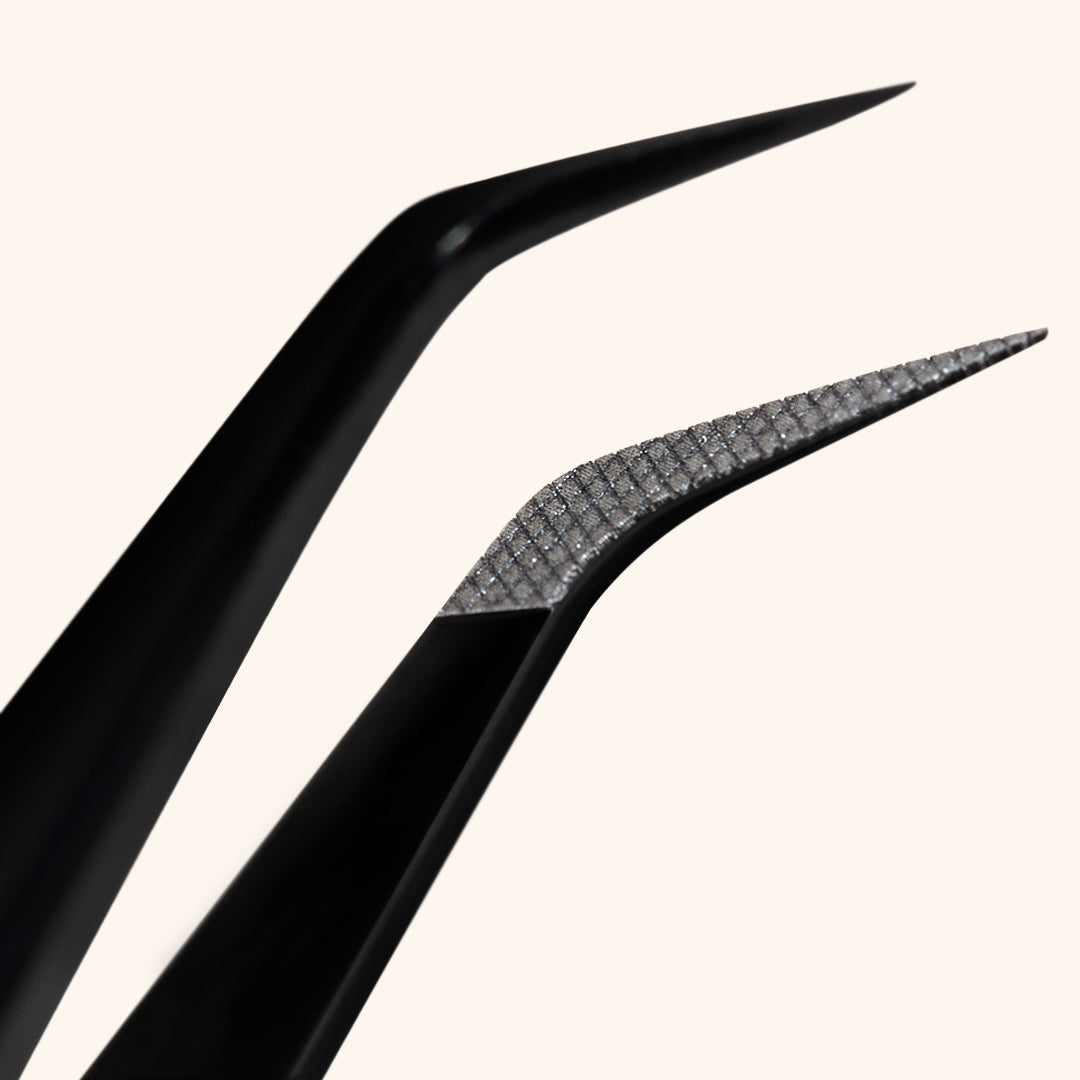
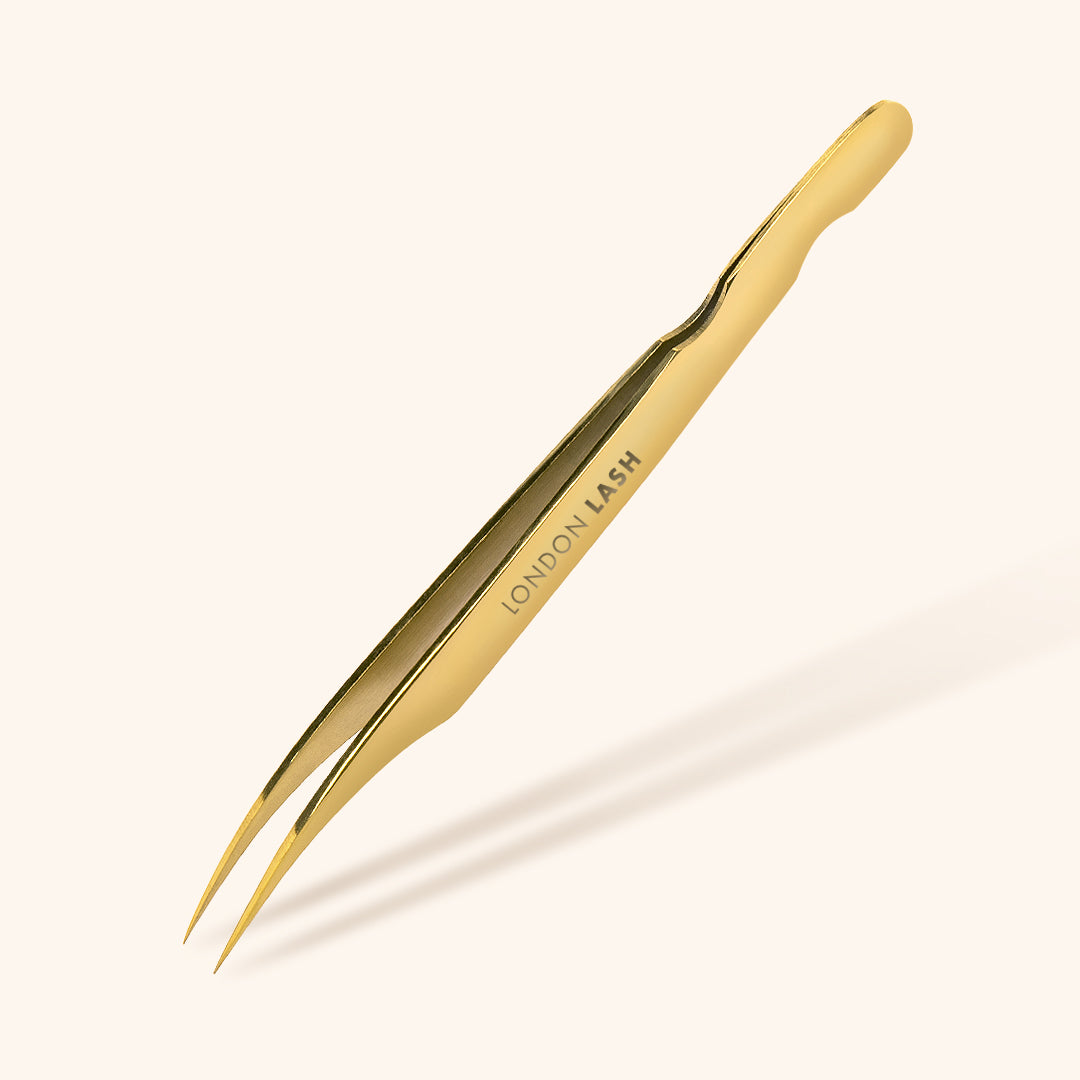
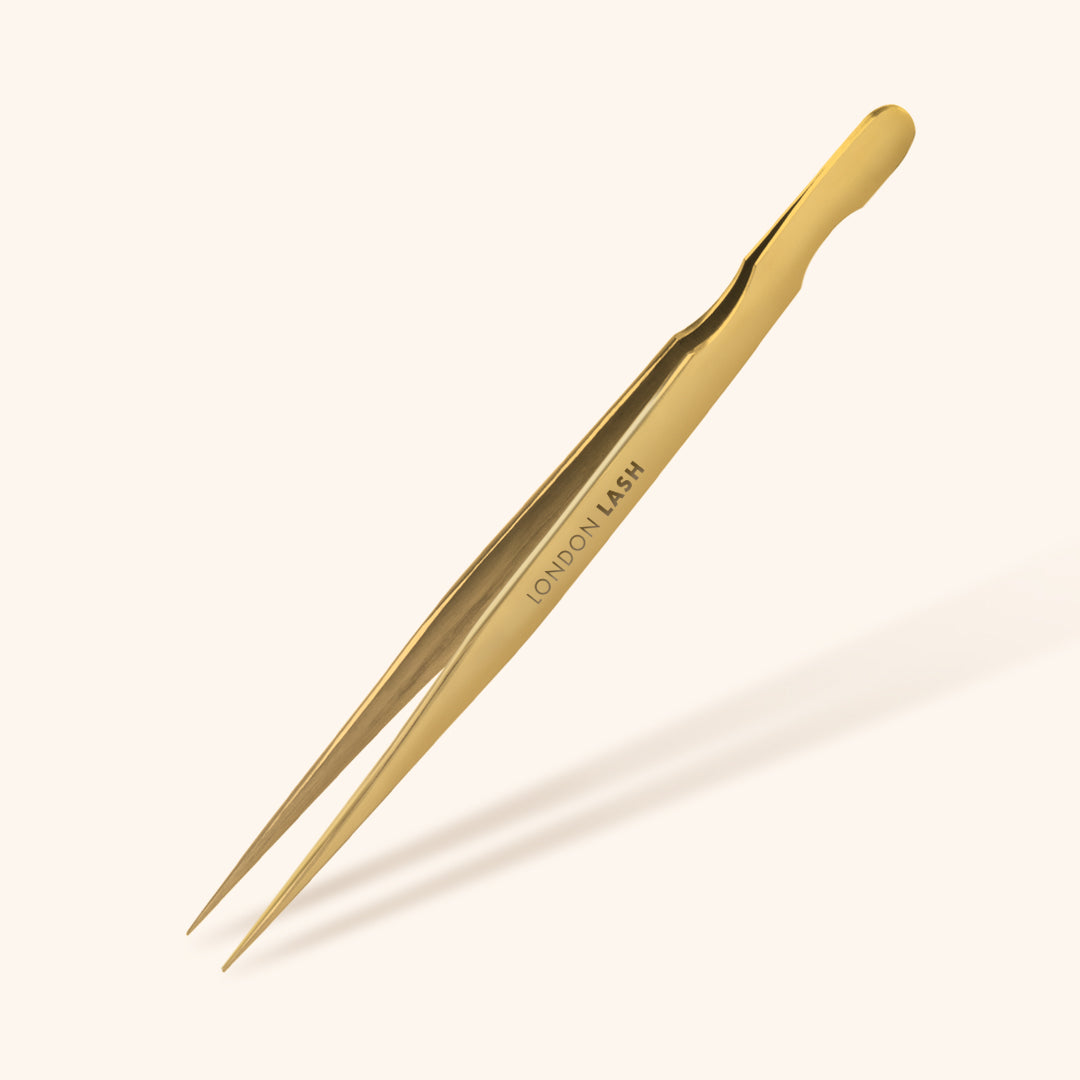
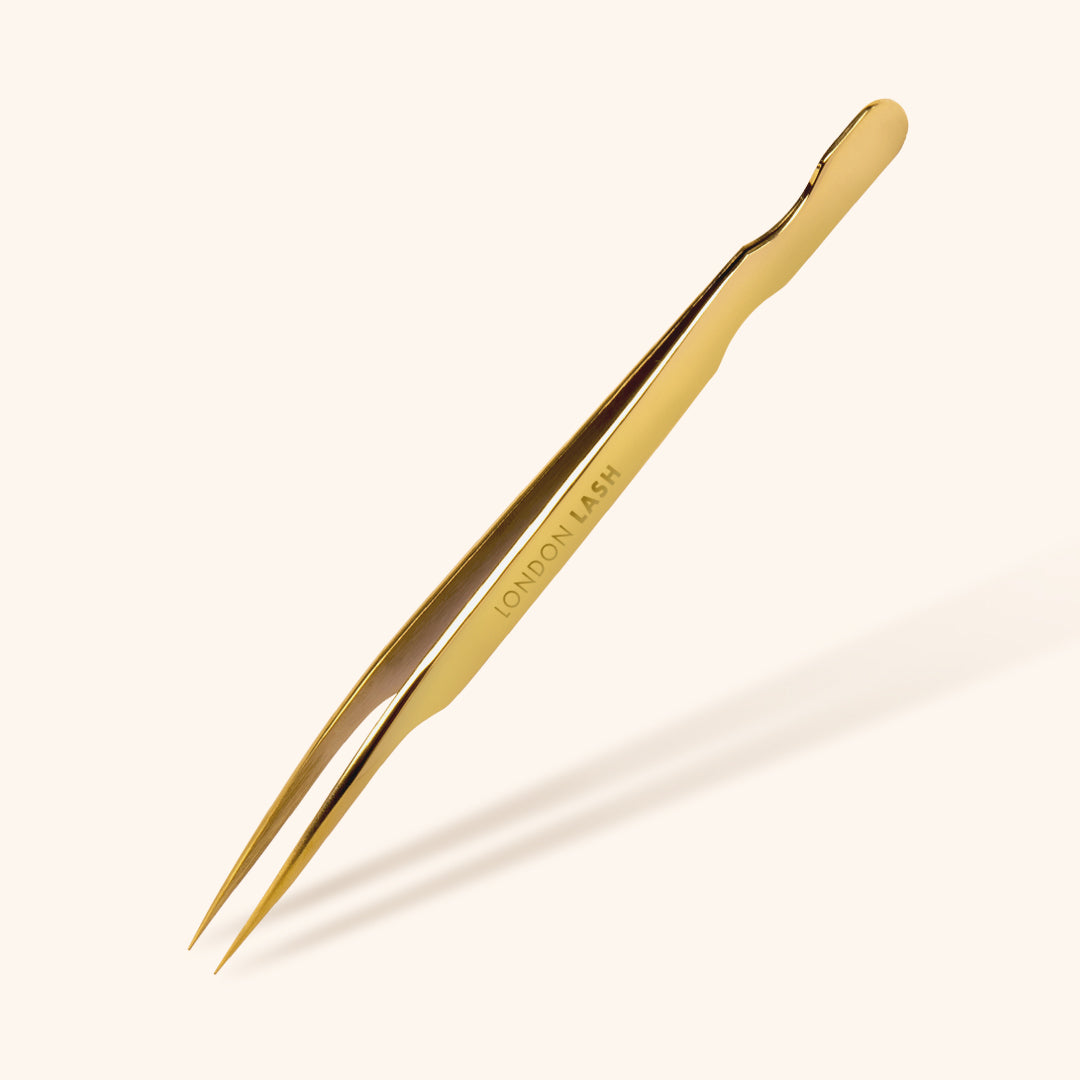
Shop professional classic lash tweezers designed for precise picking, isolation and placement during classic eyelash extension treatments. Choose from fine-tip, straight, pointed and curved designs to find the control, comfort and visibility that suit your technique. London Lash tweezers help professional lash artists work accurately throughout every classic set.
Professional Tweezers for Classic Eyelash Extensions
Classic lash application requires accuracy at every stage. Each individual extension must be picked up, controlled and placed onto one isolated natural lash. The right pair of classic lash tweezers can make this process smoother, helping you create clean attachment points while reducing unnecessary pressure on your hands.
Most lash artists use two pairs of tweezers during a classic treatment: one to isolate the natural lashes and another to pick up and place each extension. The best combination depends on your preferred technique, hand position and the areas of the lash line you find most challenging.
Complete your setup by pairing your chosen tweezers with professional classic eyelash extensions. You can also explore our complete collection of professional lash tweezers for classic, volume and isolation techniques.
Which Classic Lash Tweezers Should You Choose?
There is no single tweezer shape that suits every lash artist. Straight designs offer a familiar, controlled position, while curved and pointed tips can make it easier to reach inner corners or separate fine natural lashes. Multifunctional tweezers provide additional versatility for artists who perform several techniques.
| Tweezer type | Primary purpose | Best suited to |
|---|---|---|
| Fine-tip picking tweezers | Picking up and placing individual extensions | Precise classic lash application |
| Straight isolation tweezers | Separating individual natural lashes | Standard classic sets and straightforward isolation |
| Curved isolation tweezers | Isolating from a curved working angle | Inner corners and difficult areas of the lash line |
| Pointed isolation tweezers | Separating fine natural lashes | Detailed work and isolating baby lashes |
| Multifunctional tweezers | Picking, placement and selected isolation work | Artists who want a versatile salon tool |
Picking Tweezers vs Isolation Tweezers
Picking tweezers are used to lift an individual extension from the lash strip, control its position and place it onto the natural lash. For classic extensions, a precise tip can make it easier to grip fine fibers without twisting or dropping them.
Isolation tweezers are held in the opposite hand and used to separate one natural lash from the surrounding lashes. Maintaining clean isolation helps prevent stickies and ensures that each extension can move naturally as the lashes grow.
Although the two tools perform different jobs, both are essential to a clean classic lash set. Many artists prefer a straight or fine-tip tweezer for picking and a straight, curved or pointed design for isolation.
How Tweezer Shape Affects Your Technique
Straight tweezers
Straight tweezers provide a familiar hand position and a clear view of the attachment area. They are a dependable option for separating natural lashes and can also suit classic picking when the tip offers the right level of precision.
Curved tweezers
A curved tip can help you approach the lash line from a different angle. This can be especially useful when working around the inner and outer corners or when straight tweezers obstruct your view.
Pointed tweezers
Pointed isolation tweezers provide detailed access to fine natural lashes. They can be particularly helpful when separating baby lashes or working with clients who have dense lash lines.
Multifunctional tweezers
Multifunctional tweezers can support several application techniques, making them useful for artists who alternate between classic and light-volume work. Check the product details carefully to ensure the tip shape and grip match your intended technique.
How to Select Comfortable Classic Lash Tweezers
Your tweezers should feel stable without requiring excessive pressure. A pair that is too stiff may contribute to hand fatigue during long appointments, while a tool that feels too loose may reduce control.
When selecting your tweezers, consider:
- The position and size of the gripping point
- The shape and precision of the tip
- The tension required to close the tweezers
- The weight and balance of the tool
- Your preferred hand and wrist position
- Whether you need a picking, isolation or multifunctional design
Every pair can feel slightly different, so take time to test the grip and identify the working point before using new tweezers during a full client treatment.
Cleaning and Storing Lash Tweezers
Professional lash tweezers should be cleaned and disinfected after every client in accordance with the product instructions and applicable salon hygiene requirements. Remove visible adhesive residue carefully and avoid damaging or bending the fine tips.
Allow your tools to dry fully before storing them in a protective tweezer case. Keeping each pair secured separately helps prevent the tips from being knocked, misaligned or blunted between appointments.
Classic Lash Tweezer FAQs
Which tweezers are best for classic lash extensions?
A precise straight or fine-tip tweezer is commonly used to pick up and place individual classic extensions. You will also need an isolation tweezer to separate each natural lash before placement. The best shape depends on your technique, grip and preferred working angle.
What is the difference between picking and isolation tweezers?
Picking tweezers grip and place the extension, while isolation tweezers separate one natural lash from the surrounding lashes. Most classic treatments require one pair for each function.
Should classic lash tweezers be straight or curved?
Both shapes can work well. Straight tweezers provide a direct working position, while curved tweezers can improve access around difficult areas of the lash line. Choose the design that provides the clearest view and most comfortable hand position.
Can I use the same tweezers for classic and volume lashes?
Some multifunctional tweezers can be used for both techniques. However, classic application generally benefits from a precise tip for handling individual extensions, while volume work may require a wider gripping area for creating and controlling fans.
Why do I need separate isolation tweezers?
Correct isolation prevents neighboring natural lashes from becoming bonded together. This supports client comfort, clean lash growth and a professional final result.
How do I disinfect eyelash extension tweezers?
Remove visible residue and follow the manufacturer’s cleaning and disinfection instructions alongside your local salon hygiene requirements. Pay particular attention to the tips and gripping surfaces without applying force that could affect their alignment.
How should professional lash tweezers be stored?
Store clean, dry tweezers in a protective case or holder that prevents the tips from touching other tools. Avoid leaving them loose on a trolley or workstation, as impacts can damage their alignment and precision.
