
Isolation Tweezers for Lash Extensions


Sale
$41.00
from
$33.00





Sale
$41.00
$33.00



Sale
$32.00
$26.00



Sale
$38.00
$31.00



Sale
$32.00
$26.00



Sale
$32.00
$16.00
Achieve clean, precise separation with professional isolation tweezers for lash extensions. Explore straight, fine-tip and curved designs created to help lash artists isolate individual natural lashes during Classic, Hybrid and Volume treatments.
Professional Lash Isolation Tweezers
Isolation is one of the most important stages of a professional eyelash extension treatment. Each suitable natural lash must be separated from the surrounding lashes before an extension or fan is applied.
A well-balanced pair of lash isolation tweezers can provide visibility and control while helping the technician maintain accurate separation throughout the placement process. This supports cleaner application and reduces the risk of neighboring natural lashes becoming attached to one another.
What Are Isolation Tweezers Used For?
Isolation tweezers are used to separate one natural lash from the lashes beside it. The tweezers are normally held open around the selected lash while the extension is applied with a second pair of application tweezers.
They can be used during Classic, Hybrid, Volume and Mega Volume treatments. Although the application technique may change, accurate isolation remains essential for maintaining independent movement between natural lashes.
Choosing the Right Isolation Tweezer
The best tweezer shape will depend on your hand position, working angle and personal preference. Some lash artists prefer a straight tool for direct access, while others find that a curved design follows the shape of the eye more comfortably.
Straight Isolation Tweezers
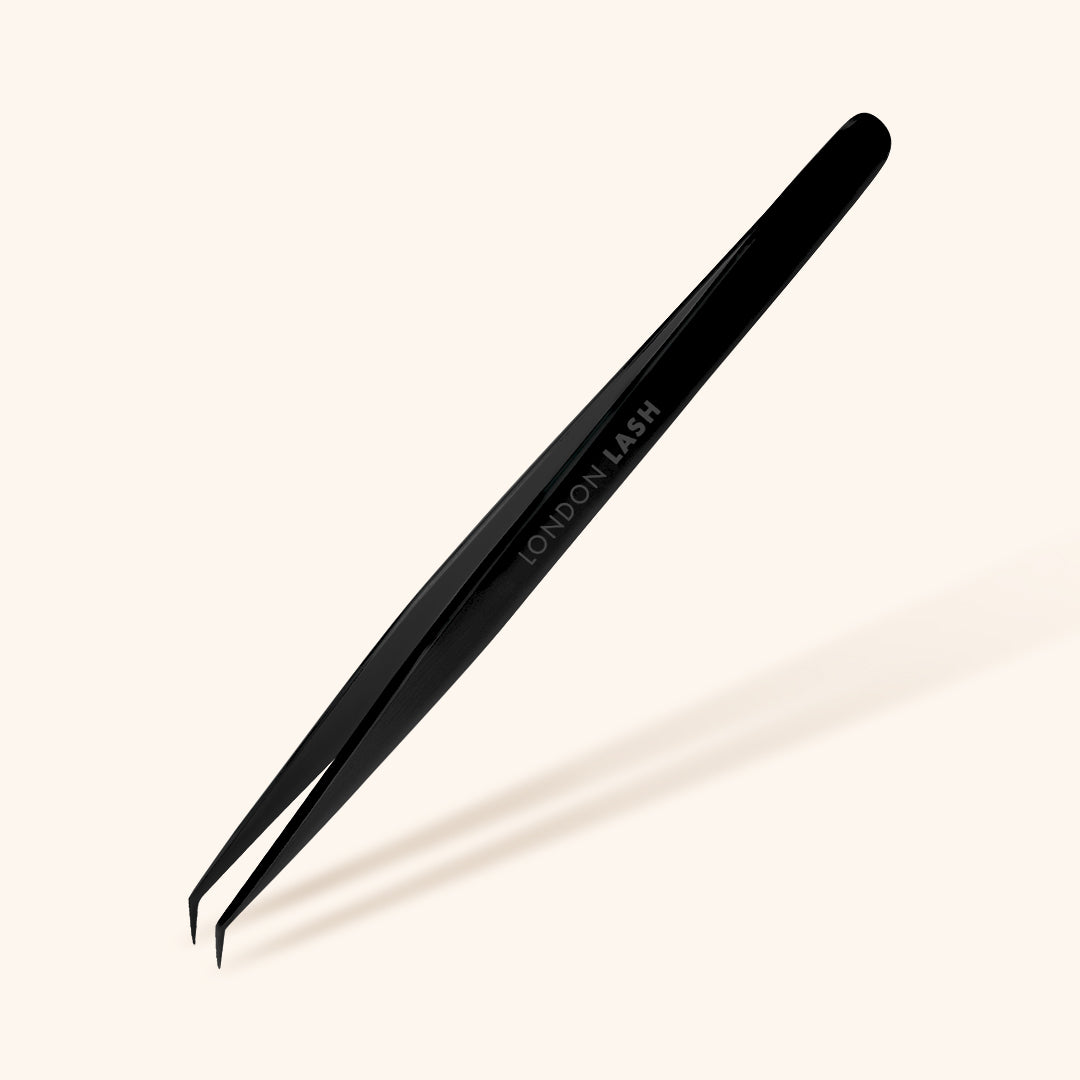
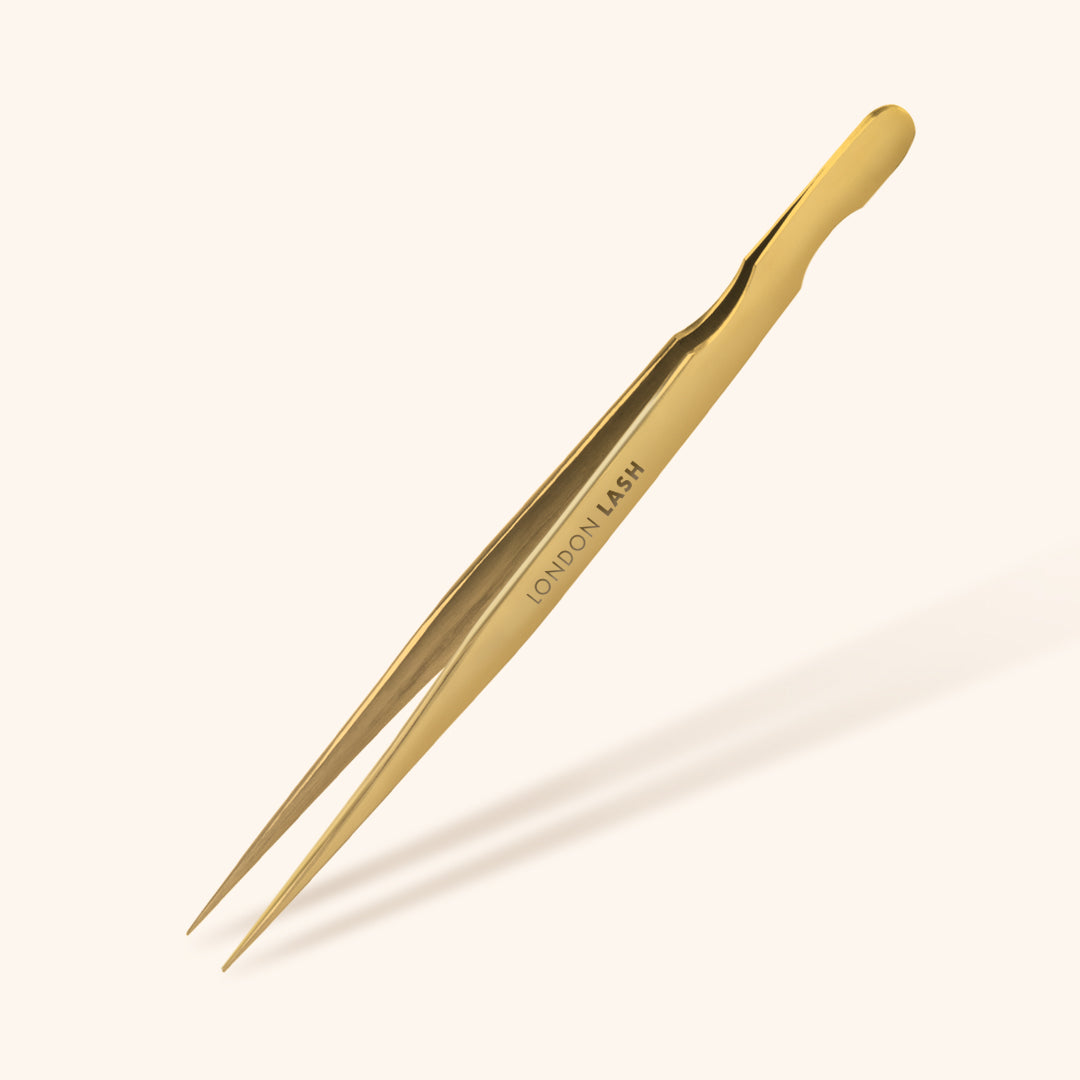
Straight isolation tweezers provide a direct line from the handle to the tip. Their slim profile can make it easier to see the natural lash line and access individual lashes from above.
They are a familiar option for many lash artists and can be used across a variety of treatment styles. A very fine tip may be particularly useful when working through dense natural lashes or locating short new-growth lashes.
Curved Isolation Tweezers
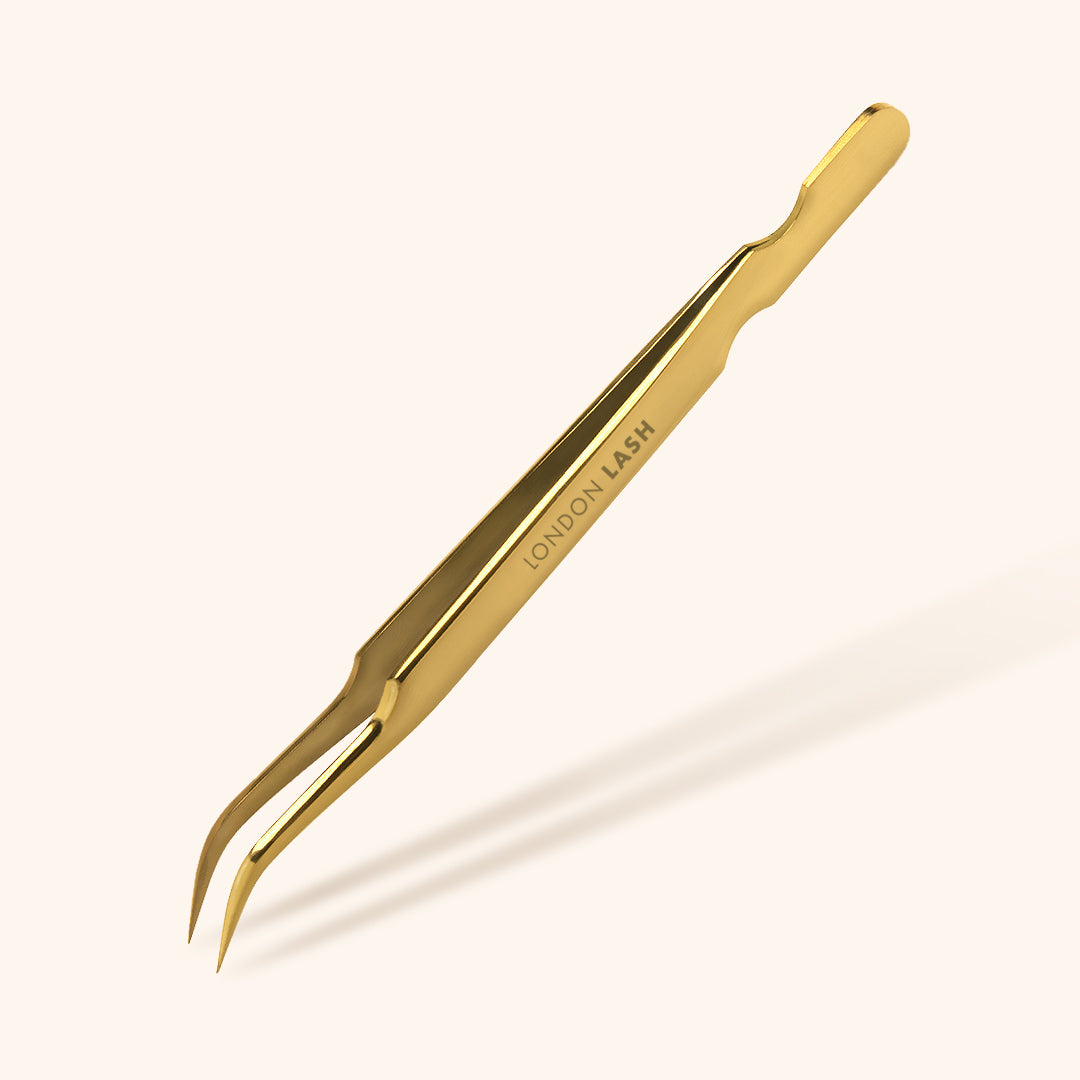
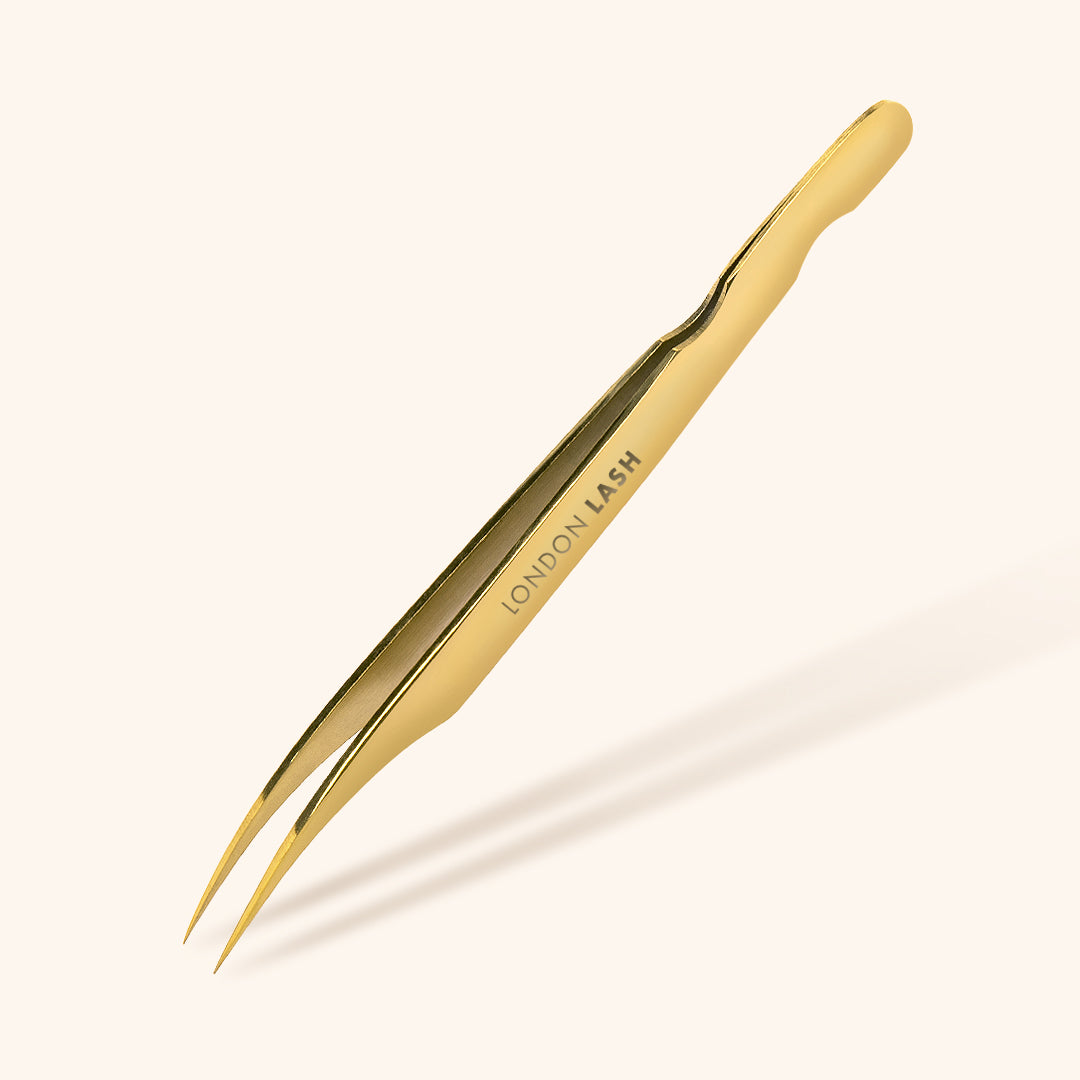
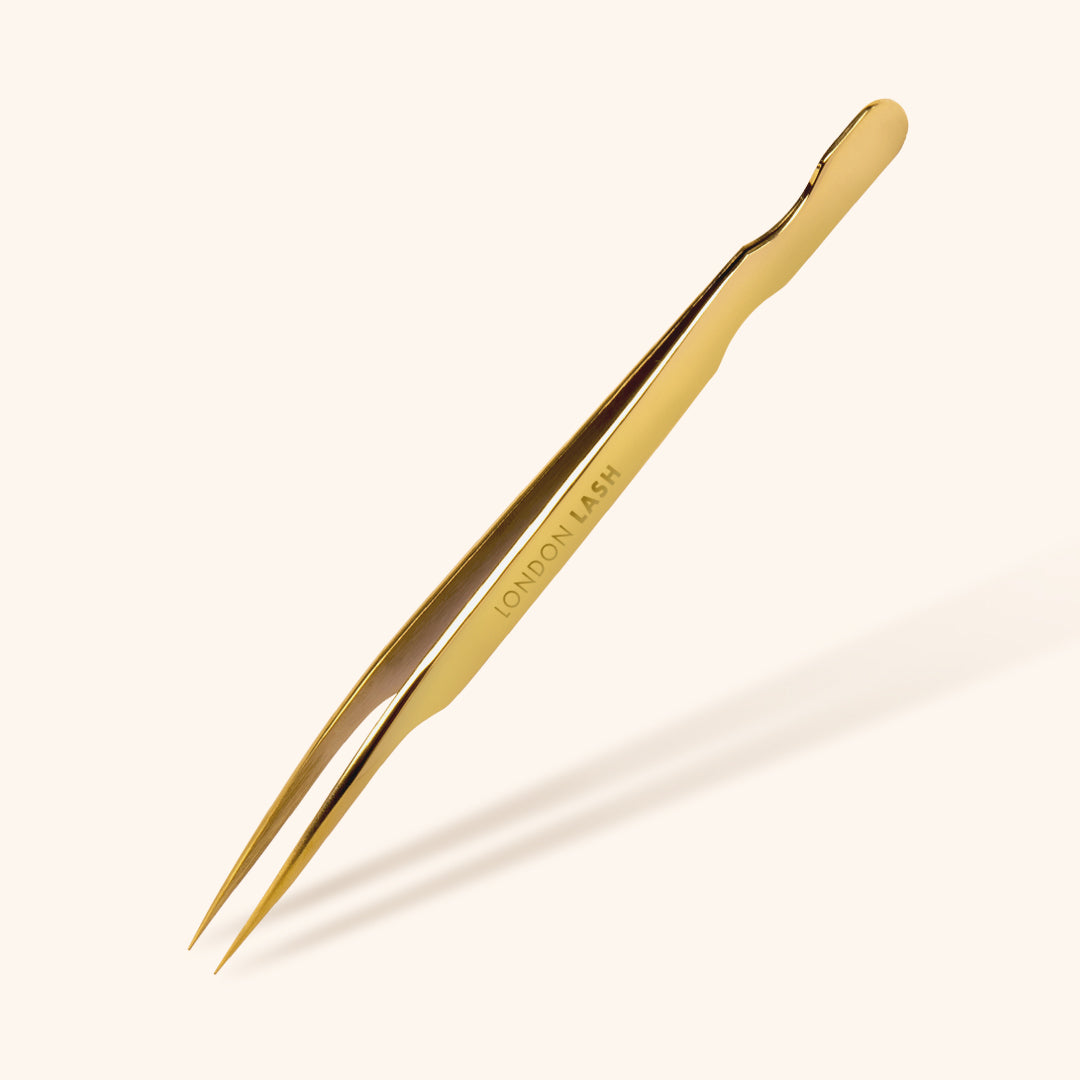
Curved isolation tweezers have an angled or gently curved tip that can follow the contour of the lash line. This shape may help reduce the need to position the wrist directly above the client’s eye.
A curved design can also provide an alternative angle when isolating lashes toward the inner or outer corners. The most comfortable choice will depend on your normal hand position and treatment setup.
Fiber Tip and Multifunctional Tweezers
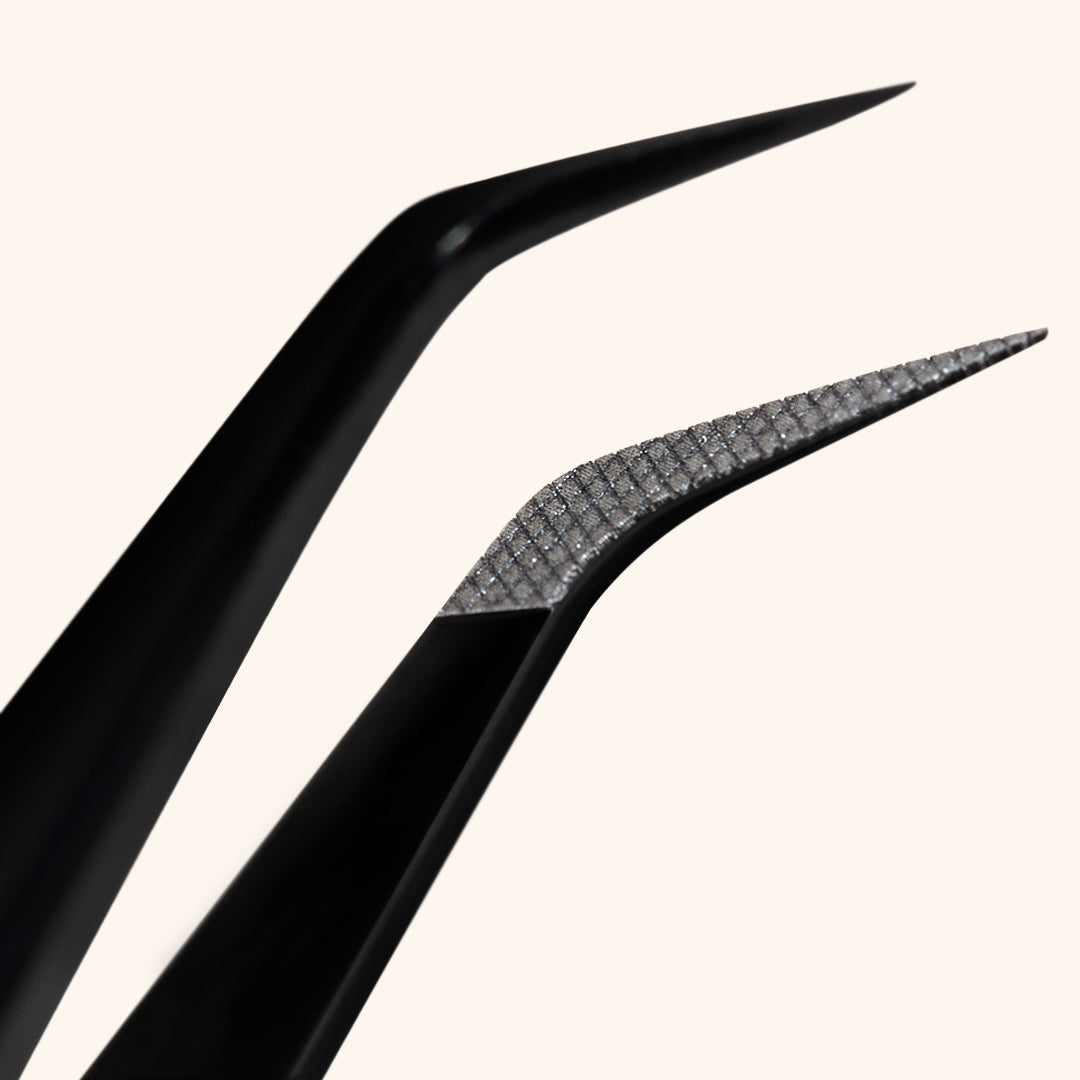
Some fiber tip or multifunctional tweezers can be used for both isolation and selected application techniques. These may be useful for artists who want a versatile tool, although a dedicated isolation tweezer will often provide the finest and clearest access to the natural lash line.
Why Accurate Lash Isolation Matters
Natural lashes grow and shed independently. If neighboring lashes become bonded together, differences in their growth cycles can create pulling, discomfort or unnecessary stress on the natural lashes.
Accurate isolation helps each suitable natural lash move and grow independently after the treatment. It also allows the technician to check the attachment area clearly and identify any lashes that may have become joined during application.
Isolation should be maintained until the adhesive has secured the extension sufficiently. Lash artists should also complete a thorough final check before finishing the treatment.
How to Choose Comfortable Lash Tweezers
In addition to the tip shape, consider the tension, weight, length and balance of the tweezers. A tool that requires excessive pressure to close or hold open may become uncomfortable during longer appointments.
Your grip and dominant hand can also influence which shape feels most natural. When comparing tweezers, assess whether you can maintain a relaxed hand position while still seeing and accessing the natural lash line.
Every lash artist works differently, so finding the right isolation tweezer may require trying more than one shape. Browse our complete collection of professional eyelash extension tweezers to compare isolation and application tools.
Looking After Your Isolation Tweezers
Clean and disinfect your tweezers according to the manufacturer’s instructions and the hygiene requirements applicable to your business. Remove adhesive residue carefully without scraping or damaging the precision tips.
Avoid dropping the tweezers or allowing other tools to press against their tips. Store them securely between appointments using a protective lash tweezer case.
If you want a textured gripping surface for fan pickup or multifunctional use, explore our fiber tip lash tweezers.
Isolation Tweezer FAQs
What are the best tweezers for lash isolation?
The best option is one that allows you to separate natural lashes accurately while keeping your hand and wrist comfortable. Fine straight tips provide direct access, while curved tips may offer a more comfortable working angle around the eye.
What is the difference between isolation and application tweezers?
Isolation tweezers separate the selected natural lash from its neighbors. Application tweezers are used with the other hand to pick up and place the individual extension or Volume fan.
Are straight or curved isolation tweezers better?
Neither is universally better. Straight tweezers provide a direct working angle, while curved tweezers follow the contour of the lash line. The right choice depends on the artist’s grip, posture and preferred isolation technique.
Can the same tweezers be used for isolation and application?
Some multifunctional tweezers can perform both tasks, but many lash artists prefer separate tools optimized for each technique. Dedicated fine-tip isolation tweezers can provide clearer access between natural lashes.
How should isolation tweezers be stored?
After cleaning and disinfection, store them in a protective case that prevents the precision tips from being bent, dropped or pressed against other tools.
