How to Identify Damaged Lashes


Table of Contents
What Do Damaged Eyelashes Look Like and How Can You Prevent Further Damage?
Damaged eyelashes may look shorter, uneven or broken, with brittle strands, blunt ends or noticeable gaps. However, naturally short lashes and new growth can look similar, so appearance alone does not confirm damage or tell you whether a lash follicle has been affected.
It’s a Lash Tech’s worst nightmare when a client turns up for their appointment and their lashes are brittle, weak and damaged! But what are the telltale signs, and what do you do when you’re faced with this situation? As a Lash Technician, assessing the natural lashes before treatment helps you make suitable application decisions and recognize when it’s time to pause.
In this article, we’ll look at the signs of damaged lashes, what can contribute to damage, and how to help prevent further harm. We’ll also cover those questions clients often ask about lash growth, brittle eyelashes and damaged follicles.

What Do Damaged Eyelashes Look Like?
Some changes can be easy to spot, particularly when you have previous appointment photos to compare. Other changes need a little more context. Before assuming that a client has lash damage, ask about their recent treatments, aftercare routine and any changes they have noticed.
Brittleness: Lashes that break easily or have snapped ends may have damage to the hair shaft. They may look uneven or lack their usual flexibility. Avoid pulling or bending lashes to test them!
Sparse Appearance: Noticeable gaps or patches of shorter lashes are worth investigating. However, gaps can have several causes, including natural shedding, pulling and health conditions. They do not automatically mean that extensions have caused damage.
Changes in Color: A change from the client’s usual lash color may be worth discussing, but naturally light lashes are not a sign of damage. Color alone is not a reliable way to assess lash health.
Changes in Texture or Shape: Blunt tips, unusual kinks or a change from the client’s normal curl pattern may suggest that lashes have been affected by mechanical or chemical stress. Consider their treatment history rather than judging one feature in isolation.

Damaged Lashes, New Growth or Natural Shedding?
Not every short lash is a damaged lash! Use the comparison below as a starting point for your consultation, rather than a diagnosis.
| What You Notice | What to Consider | Your Next Step |
|---|---|---|
| Short, fine lashes with tapered tips | These may be new growth or part of the client’s natural lash pattern. | Assess suitability carefully. Do not assume every short lash needs an extension. |
| Uneven lengths with blunt or broken ends | Breakage may be involved, particularly if this is a change from the client’s usual appearance. | Discuss recent treatments and handling. Avoid adding extensions to compromised lashes. |
| Occasional shed lashes | Lashes naturally grow and shed as part of their cycle. | Consider the client’s normal pattern and whether there are other changes or symptoms. |
| Persistent gaps or a sudden increase in lash loss | Appearance alone cannot establish the cause or whether follicles are damaged. | Pause treatment where appropriate and recommend assessment by a qualified healthcare professional. |
For more on the normal growth cycle, take a look at our guide to natural lash shedding.
What Can Damage Natural Lashes?
There are various reasons why your client’s natural lashes may look or feel different. Here are some factors to consider during their consultation.
Improper Application of Lash Extensions
If eyelash extensions are not applied correctly, they can put strain on the natural lashes and contribute to breakage. Remember, it’s not always suitable to lash every single natural lash.
If you want to learn more about applying eyelash extensions with care, our best advice is to keep developing your knowledge through reliable training materials and an appropriate training course. You can also explore our educational blog posts for technique tips. Education is the key to success!
Improper Aftercare
Proper aftercare of lash extensions is an important part of caring for the natural lashes. Rubbing the eyes, picking at extensions or pulling them off can place unnecessary stress on the lash line.
Help clients choose suitable cleansing and makeup products, and explain how to wear and remove makeup with extensions. Product compatibility depends on the products used, so follow the relevant manufacturer’s guidance.
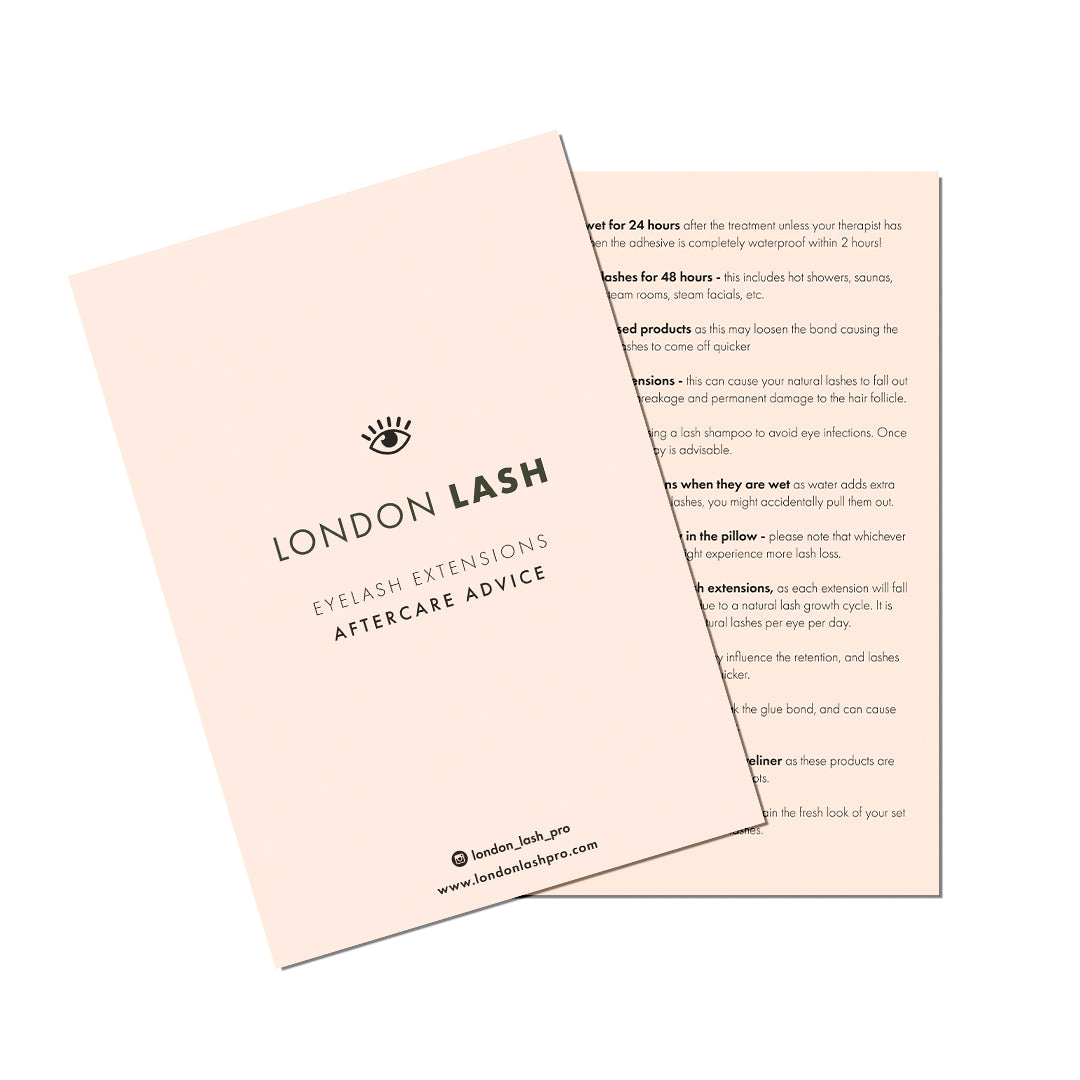
Providing clear aftercare advice gives clients something useful to refer to between appointments.

Unsuitable Products or Overprocessed Lash Lifts
Products that are unsuitable for the treatment, incorrect processing or repeated chemical treatments can affect the condition of the lashes. This is especially important when carrying out a lash lift.
While lash lifts can create a beautiful curl, treatment timing should follow the specific system’s instructions and an assessment of the client’s lashes. Avoid giving every client the same repeat-treatment interval, and do not carry out another chemical treatment on visibly compromised lashes.
Physical Stress
Rubbing the eyes aggressively, picking at lashes, pulling off extensions or using eyelash curlers incorrectly can all contribute to damage. Pulling can break natural lashes and may also affect the follicles. That’s why “I’ll just pull this one off” is never the answer!
Health Conditions and Changes in General Health
Some health conditions can cause eyelash loss, so not every change is an application or aftercare issue. Conditions affecting the eyelids, including blepharitis, may need assessment by an eye-care professional.
As a Lash Tech, your role is to notice changes, discuss the client’s history and recognize the limits of your assessment. Avoid diagnosing a condition or assuming that lash loss means a client has not cleaned their lashes properly.
For background on a related topic, read our guide to eyelash mites. This does not replace an individual medical assessment.
General health and nutrition can also affect hair growth. If a client is concerned about unexplained changes, encourage them to speak to a healthcare professional rather than suggesting a supplement or trying to identify a deficiency yourself.

Can You Tell Whether an Eyelash Follicle Is Damaged?
A broken lash and a damaged lash follicle are not the same thing. The visible lash can snap while the follicle remains capable of producing another lash. However, looking at a gap or a photograph does not tell you whether the follicle is healthy, temporarily affected or permanently damaged.
The American Academy of Ophthalmology explains that rubbing, tugging or pulling can fracture natural lashes and may cause permanent damage to the follicle.
If a client has persistent gaps, repeated unexplained lash loss or concerns that their lashes are not growing back, recommend a qualified healthcare professional. A lash consultation cannot confirm follicle damage.
Will Damaged Eyelashes Grow Back?
This is often the first question a worried client will ask. The answer depends on what has happened to the lash and whether the follicle has been affected. Some changes may improve as lashes grow and are replaced, but regrowth is not guaranteed in every situation.
Avoid promising that damaged eyelashes will be back to normal by a particular appointment. The cause of the loss, the client’s growth cycle and any underlying condition can all affect what happens next.
For clients asking how long eyelashes take to grow back, explain that there is no single recovery timeline that applies to every case. Persistent or unexplained loss needs professional assessment rather than repeated cosmetic treatments.
What Should You Do if a Client Has Damaged Lashes?
First things first: don’t feel pressured to cover every gap! A fuller-looking set should never take priority over the condition of the natural lashes.
- Discuss the changes: Ask when the client noticed them and about recent extensions, lifts, removal and home care.
- Record what you can observe: With the client’s permission, consistent appointment photos can help document changes without making a diagnosis.
- Assess whether to proceed: Do not apply extensions or perform a chemical treatment on lashes that are unsuitable for the service.
- Avoid further pulling or stress: Clients should not pick at or pull off their extensions. Any removal needs an appropriate professional assessment.
- Recommend the right next step: Refer concerns outside your training and scope to an appropriate healthcare professional.
Our guide to when to say no to lash extensions can help you think through treatment suitability.
How to Help Prevent Further Lash Damage
As a Lash Tech, it’s also your responsibility to educate and guide your clients on caring for their lashes. There are practical ways to reduce avoidable stress and give their natural lashes some much-needed TLC.
Educate on Proper Aftercare: After applying extensions, provide an aftercare guide. Include appropriate cleansing, gentle handling and product-specific advice. Follow the adhesive manufacturer’s instructions about water, steam and curing rather than applying a blanket waiting period to every system.
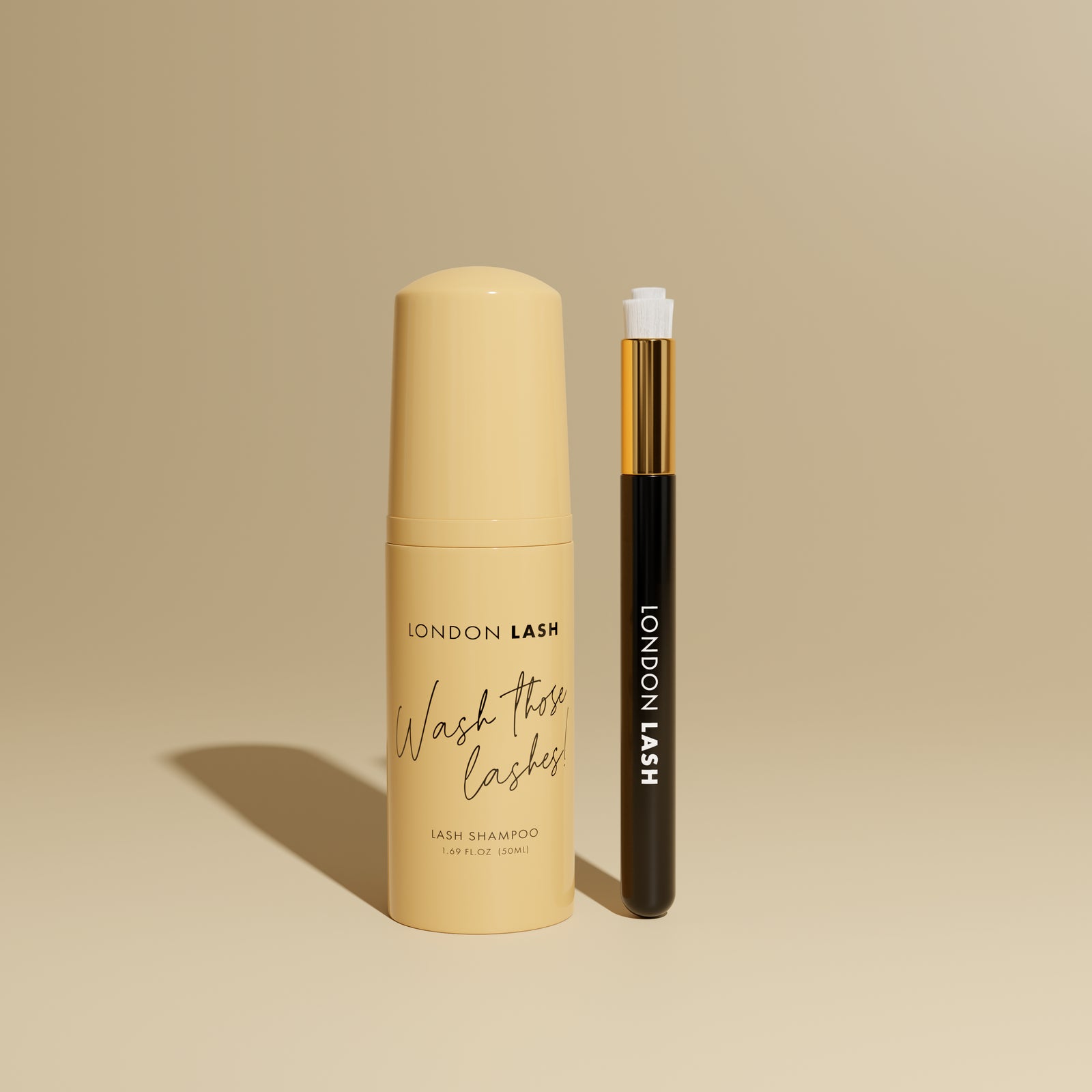
Recommend Suitable Products: A cleanser designed for use around the eyes and with lash extensions can make a useful addition to a client’s routine. You could offer an aftercare kit with our foaming lash shampoo and cleansing brush, explaining how to use the products correctly.
If a client asks about lash serums, avoid promising that a cosmetic serum will repair follicles or reverse lash loss. Suitability and evidence vary between products, and a serum should not replace assessment of unexplained lash loss.
Space Out Chemical Treatments Appropriately: Follow the treatment system’s instructions and assess the lashes before every service. Postpone treatment when their condition makes it unsuitable.
Apply Extensions With Care: Use the appropriate amount of lash adhesive, check for stickies, and make sure the chosen extensions are suitable for the natural lashes supporting them.
As a Lash Artist, it’s important to recognize new growth and thinner or weaker lashes. Not every natural lash needs an extension, and a gap is not a reason to overload an immature or compromised lash. Base your decisions on appropriate training and the condition of the individual lash.

When Should a Client Seek Professional Advice?
Recommend medical advice for persistent or unexplained lash loss, ongoing gaps, or concerns about follicle damage. Eye pain, swelling, significant redness, discharge or changes in vision should not be treated as routine lash damage or managed through another cosmetic appointment. Clients should seek prompt medical assessment.
For further reading, see the American Academy of Ophthalmology’s guidance on possible reasons for eyelash loss.
Damaged Eyelashes: Frequently Asked Questions
Are My Eyelashes Damaged or Naturally Short?
Short lashes alone do not establish damage. Look at the client’s normal lash pattern, previous photos, recent treatment history and whether there are broken ends or other changes. If you are unsure about suitability, pause rather than adding extensions to cover the area.
What Do People Mean by “Dead Eyelashes”?
“Dead eyelashes” is not a useful diagnosis. People may use the phrase to describe brittle strands, broken lashes or gaps, but these observations do not confirm that a follicle has stopped working. It is more helpful to describe the actual change and seek advice where needed.
Will Eyelashes Grow Back if They Are Pulled Out?
They may grow back if the follicle remains able to produce a new lash, but this cannot be guaranteed. Repeated pulling can damage follicles. Encourage clients to avoid pulling out lashes and seek professional advice about persistent gaps or repeated lash loss.
Can You Put Extensions on Damaged Lashes?
Do not use extensions to disguise damage or overload weakened lashes. A qualified technician should assess whether the service is suitable and postpone it where necessary. Concerns about unexplained loss or an eye condition need an appropriate healthcare professional.
Lashes, though small in size, play a significant role in a client’s appearance. As a professional, recognizing changes and knowing when to pause are essential parts of your service. By staying informed, using suitable products and giving clear aftercare guidance, you can help clients avoid unnecessary stress on their natural lashes. Remember, honest advice and thoughtful care are just as valuable as a beautiful finished set!
This article provides general education for lash artists and clients. It does not diagnose lash or eye conditions or replace advice from a qualified healthcare professional.
Check out these featured products