Understanding Contra-Indications and Contra-Actions


Table of Contents
Lash Extension Contraindications and Contra-Actions: When to Postpone or Stop
We know it can be difficult when you’re starting out to understand the difference between contraindications and contra-actions. It can also be difficult to turn people away, especially when you’re building your portfolio! That being said, as a Lash Technician, your client’s health and comfort should always come first.
As well as the end result, keeping your clients’ well-being at the forefront of your mind is part of every appointment. This is something you should cover during training, but if you need a refresher, here it is!
A contraindication is a condition or circumstance identified before treatment that may prevent it or require postponement or further advice. A contra-action is an unwanted reaction or outcome that occurs during or after treatment. Neither term tells you how serious the situation is — both need careful attention.
| Term | When it applies | Example | Your next step |
|---|---|---|---|
| Contraindication | Identified before treatment. | Signs of an active eye infection or a previous adhesive reaction. | Do not begin until suitability has been established; postpone or refer where appropriate. |
| Contra-action | Occurs during or after treatment. | Burning, swelling, or significant watering during application. | Stop or pause treatment, assess the situation within your training, and arrange appropriate help. |

Before You Begin: Consultation and Basic Checks
Before diving into the specifics, establish a consistent consultation routine. Ask about previous reactions, current eye symptoms, relevant treatments or surgery, and anything that affects the client’s ability to remain comfortable with their eyes closed.
Observe the eye area: Crusting, unexplained redness, swelling, itching, pain, or burning are reasons to pause before applying anything. You’re checking for concerns, not performing a medical examination or diagnosing a condition. Where symptoms are unexplained or ongoing, advise the client to seek medical assessment before considering treatment.
Contact lenses: Ask the client to remove their lenses before application, following your training and product instructions. If they cannot remove them, postpone rather than continuing outside your treatment protocol.

Maintain hygiene: Clean and process reusable equipment between clients according to the applicable state board requirements and the equipment and disinfectant instructions. For tools such as lash tweezers, having a spare set can help you allow the full required processing time.
Provide each client with a fresh mascara wand and explain their home-care routine. Our lash extension aftercare guide covers that topic in more detail.
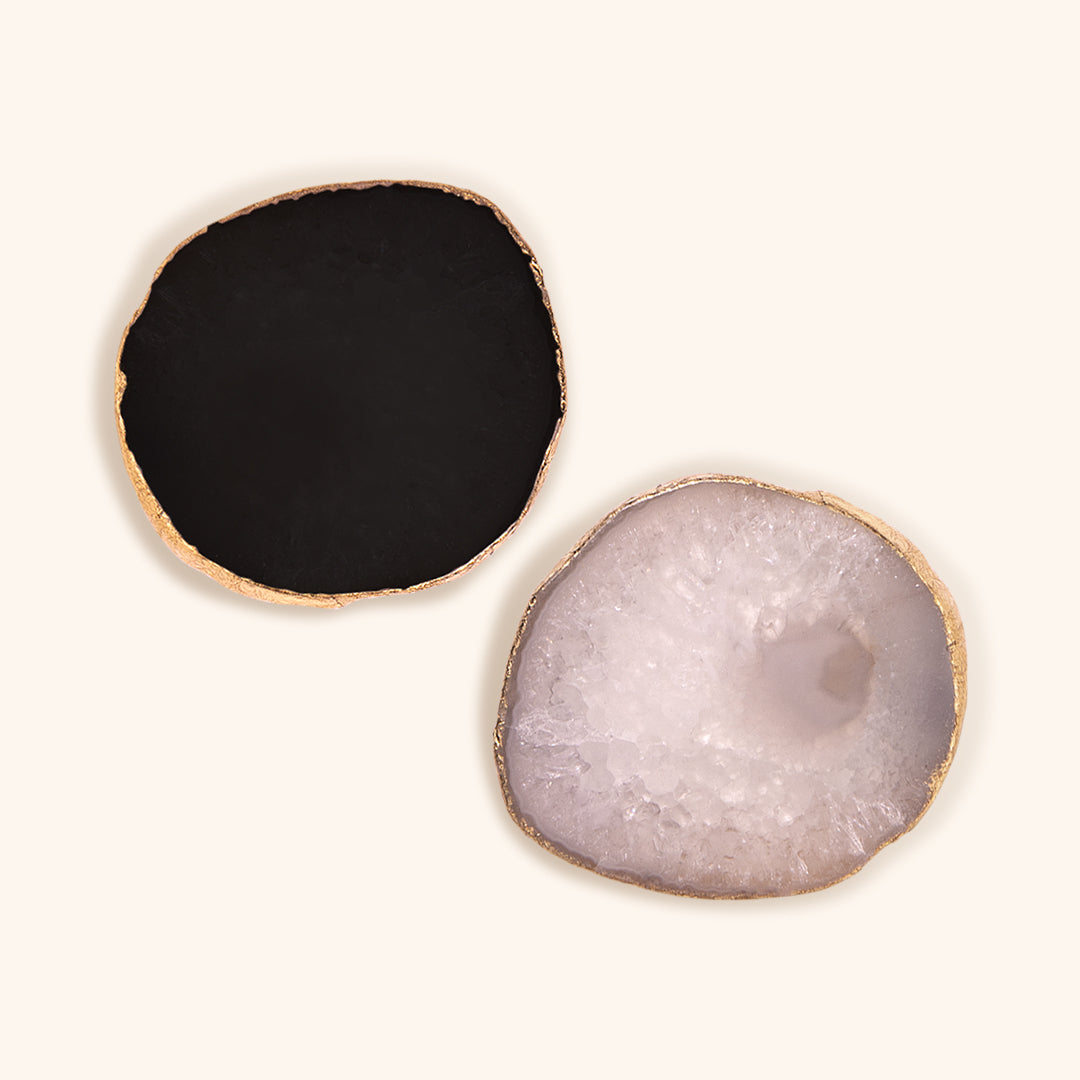
Handle adhesive carefully: Avoid eye and skin contact and follow the adhesive’s application instructions. If you use an agate glue stone or jade stone, position it securely to reduce spill risk. No adhesive holder eliminates spills or replaces appropriate ventilation.

Lash Extension Contraindications: When to Postpone
Contraindications are reasons to withhold treatment or establish suitability before proceeding. Some concerns are temporary, while others may mean that lash extensions are unsuitable. Don’t treat every condition as having the same implications.
Do Not Begin When There Are Active Symptoms or an Unresolved Reaction
- Signs of a possible eye infection, such as discharge, significant redness, or swelling.
- Broken, injured, or actively inflamed skin around the treatment area.
- Current pain, burning, or significant watering that would make application uncomfortable or prevent the eyes from remaining closed.
- A previous suspected or confirmed reaction to the adhesive or another product you intend to use.
- A reaction following a required product test.
For more on recognizing possible reactions, see our lash adhesive reaction guide. Don’t use a different glue or a negative test result to override an unresolved reaction history.
Establish Individual Suitability Before Booking
- Recent eye surgery or injury: Follow the treating clinician’s advice and your professional requirements. Don’t invent a universal waiting period.
- Existing eye conditions: Conditions such as dry eye or blepharitis need individual consideration, particularly when symptoms are active.
- Chemotherapy or other significant medical treatment: Ask the client to discuss suitability with their treating team. Consider the condition of their lashes and your ability to meet their needs.
- Asthma or sensitivity to adhesive exposure: Discuss previous symptoms and seek appropriate clinical guidance rather than assuming routine ventilation resolves the concern. Our adhesive fumes guide provides further background.
- Very sparse or absent natural lashes: Assess whether there are suitable natural lashes to support extensions without overloading them.
Follow your training, product instructions, insurance conditions, and applicable professional requirements. If suitability remains uncertain, postpone.

Suspected Infection, Inflammation, or Infestation
If you notice signs that could indicate conjunctivitis, an inflamed eyelid, a stye, a skin infection, or an infestation, don’t apply extensions over the affected area. These concerns aren’t all the same type of condition, and a Lash Technician shouldn’t try to identify or treat them medically.
Explain what you have observed without diagnosing it, postpone the appointment, and recommend assessment by an appropriate healthcare professional. Our eyelash mites article offers background information, but a photograph or salon observation alone cannot confirm a diagnosis.

Lash Extension Contra-Actions: When to Stop
Contra-actions are unwanted reactions or outcomes during or after treatment. They can range from discomfort to a serious reaction or injury. Don’t assume something is minor simply because it started during the appointment.
Watering, Stinging, or Discomfort During Application
Pause application and check your client’s comfort, eye closure, and the position of the pads or tape. Don’t simply blot away tears and carry on. If discomfort persists, the cause is unclear, or symptoms are significant, stop treatment and recommend appropriate medical assessment.
Excessive moisture can also affect adhesive curing, but the client’s well-being takes priority over retention. Our shock polymerization guide covers the adhesive issue separately.

Lashes Accidentally Attached to a Pad or Tape
Stop and assess the attachment rather than pulling the pad, tape, or lashes apart. Follow your training and product instructions, keeping any remover away from the eye. If the eyelid or eye is involved, or you cannot safely resolve the problem, seek medical assistance.
Check eye patch and tape placement throughout application. Any adjustment should allow the client’s eyes to remain fully closed and comfortable.

Adhesive or Remover Enters the Eye
Stop treatment and begin rinsing immediately. Don’t delay irrigation to finish removing extensions or wipe away all the product first. For chemical eye exposure, US Poison Control recommends rinsing with plenty of room-temperature water for at least 15–20 minutes, removing contact lenses if present, and obtaining expert guidance.
Follow the product’s emergency instructions and safety data sheet. Severe pain, vision changes, or significant symptoms require urgent medical care. If eyelids are glued together, don’t force them apart or apply adhesive remover to the eye; seek immediate expert help.
A Suspected Allergic Reaction
Stop treatment and arrange prompt medical advice. Don’t diagnose the reaction, recommend medication, or automatically apply remover to an inflamed eye area. The American Academy of Ophthalmology advises medical assessment for allergic reactions to lash extensions and warns against attempting self-removal.
Breathing difficulty, swelling of the tongue or throat, or collapse requires emergency assistance — call 911 in the US. Record the symptoms reported or observed, the products used, and the actions taken.
For routine professional removal outside an acute reaction or eye injury, consult our guides on when to remove extensions and professional lash removal. Neither guide replaces emergency medical advice.

Where Patch Testing Fits into the Consultation
Follow the specific product manufacturer’s testing instructions and any requirements attached to your training, insurance, or professional practice. There isn’t one universal test method or waiting period that applies to every lash product.
A negative test does not guarantee that a full treatment will be reaction-free, and previous tolerance does not guarantee future tolerance. A test result should never override active symptoms or a concerning reaction history.
For further information, visit our eyelash extension patch test guide, alongside the current instructions for the products you use.

Explaining a Postponed Appointment to Your Client
Turning someone away can feel awkward, but a clear explanation helps. Try: “I’ve noticed some irritation around your eye today, so I don’t want to apply products that could make you uncomfortable. Please have it checked before we discuss rebooking.”
Document the reason for postponing, avoid guessing at a diagnosis, and explain what information is needed before reconsidering treatment. A client’s willingness to continue doesn’t remove your responsibility to decline an unsuitable service.
There we have it! Keeping your clients safe and happy is the real art here. Understanding contraindications and contra-actions helps you recognize when to pause, postpone, or seek help. When you’re in doubt, choose your client’s well-being first — that care makes all the difference.
Check out these featured products