
It's Time To Stop Blaming Your Lash Glue!


Table of Contents
Lash Glue Not Working? Check These Four Things First
When your adhesive starts behaving differently, it’s tempting to assume the glue is the problem. Before replacing it, check whether your placement speed, room conditions, storage, and application technique match the product’s requirements.
Adhesive condition can also change over time, so troubleshooting should include the bottle itself—not just how you’re using it.
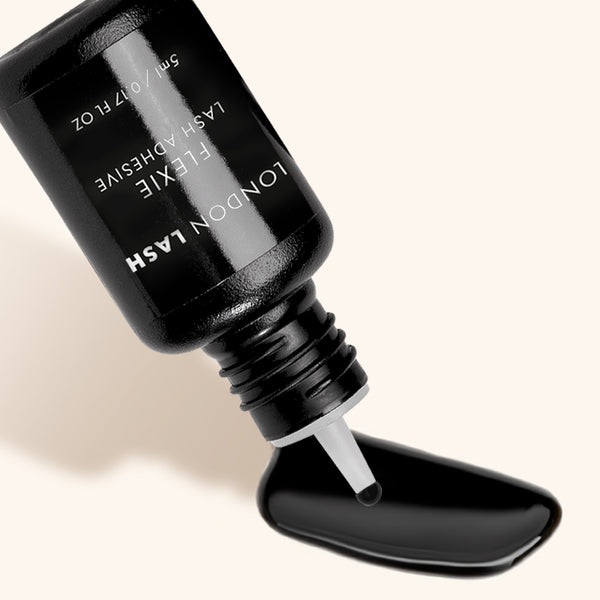
1. Does the Glue Match Your Placement Speed?
When buying lash glue, it’s easy to focus on finding the fastest-setting formula. However, faster does not automatically mean stronger or better suited to your work.
If the adhesive begins curing before you complete the attachment, retention may suffer. Choose a setting speed that gives you enough time to place the extension correctly under your actual working conditions.
A slower-setting adhesive can be a useful option when you need more placement time. Compare its specifications with your technique and room conditions rather than selecting a formula solely according to your years of experience.

2. Have Your Room Conditions Changed?
If a glue worked well previously but now behaves differently, review what may have changed. Heating, air conditioning, ventilation, and seasonal conditions can affect the environment around your workstation.
Measure temperature and humidity rather than relying on how the room feels or the weather forecast outside. A digital hygrometer and thermometer helps you monitor both.
Compare the readings with the adhesive manufacturer’s recommended working range. If you’re unsure how to interpret the specifications, ask your supplier for guidance.

3. Are You Storing and Handling the Adhesive Correctly?
Review the product’s storage instructions, production or expiry information, and recommended replacement period after opening. Label the bottle with its opening date so you don’t have to rely on memory.
Store the adhesive upright in the conditions specified by the manufacturer, away from direct sunlight and unsuitable temperature fluctuations. Keep the nozzle clean using the recommended method, and close the bottle promptly after dispensing.
Shake the adhesive according to the manufacturer’s directions, using the specified cap or nozzle-sealing method. Do not shake an open, unsealed bottle.
An adhesive storage container can help organize your bottles, but it does not replace correct storage conditions or extend the product’s stated shelf life.

If the adhesive remains unusually thick, stringy, or inconsistent despite appropriate handling and conditions, check its age and contact the supplier. Don’t assume every change can be corrected by adjusting your technique.
4. Are You Picking Up an Appropriate Amount?
Adhesives vary in viscosity, so different formulas may behave differently when you dip an extension or fan. A runnier consistency does not automatically mean you should use a larger quantity.
Follow your professional training and the product instructions to achieve a controlled amount and a suitable attachment. Excess adhesive can make isolation and clean application more difficult.
Refresh the glue drop as directed and when its working behavior changes. Avoid continuing with a drop that has become stringy or unsuitable for consistent placement.

Get to Know Your Adhesive
Consistent results come from understanding the product and the conditions it needs. Check placement speed, measured temperature and humidity, bottle condition, storage, and the amount you use before deciding what to change.
Make one considered adjustment at a time and record what happens. If the problem persists, share the product details, opening date, room readings, and symptoms with your supplier so they can help you investigate.
Adapted from an article by London Lash Expert Abi Madden.

Check out these featured products


