How to Solve this Common and Super Annoying Issue…

Table of Contents
Why Do Under-Eye Pads Lift During Lash Extensions? How Lash Prep Can Help
Lash preparation is an important part of every eyelash extension appointment, whether you’re treating a first-time client or a regular, applying a full set, or completing a fill. If you’d like more detail on why it matters, our lash prep guide is a useful starting point.

A thorough pretreatment routine helps prepare the natural lashes for adhesive attachment. It also gives you an opportunity to explain why regular cleansing matters between appointments.
There’s another practical benefit that’s easy to overlook: preparing the surrounding skin can help your under-eye pads stay in position.
Why Do Under-Eye Pads Lift?
Makeup, skincare residue, and natural oils on the skin can interfere with the adhesion of under-eye pads. Even a client arriving without makeup may have moisturizer or other products around the eyes.
Preparation isn’t the only factor, though. Pad shape, placement, product condition, and moisture during the appointment can also affect how well a pad stays in place.
Adding more tape won’t necessarily solve the underlying issue. Check the skin, pad suitability, and placement before deciding how to adjust your setup.

Why Does Secure Placement Matter?
Repeatedly repositioning a lifting pad interrupts your work and takes time away from careful application. A pad that moves can also cover lashes you intended to extend or expose lower lashes that should remain separated.
This can make consistent coverage more difficult, particularly around the inner corners. A deliberately planned half set is a styling choice; accidentally missing sections because a pad has shifted is a different issue.
Comfort and eye protection matter too. Pads should not contact the eye surface or interfere with comfortable eye closure. Monitor their position throughout the appointment rather than assuming the initial placement will remain unchanged.
Redness or discomfort should not automatically be attributed to one cause. Our chemical irritation and allergic reaction guide discusses the distinction, but a blog cannot diagnose a client’s symptoms.

How Does Lash Prep Help?
Cleaning the intended pad placement area helps remove residue that can interfere with adhesion. Products designed specifically for application to natural lashes should not automatically be used on the surrounding skin.
Choose products suitable for the area you are preparing and follow their instructions. Never assume that makeup-free skin is already prepared for pad application.
Start with Cleansing
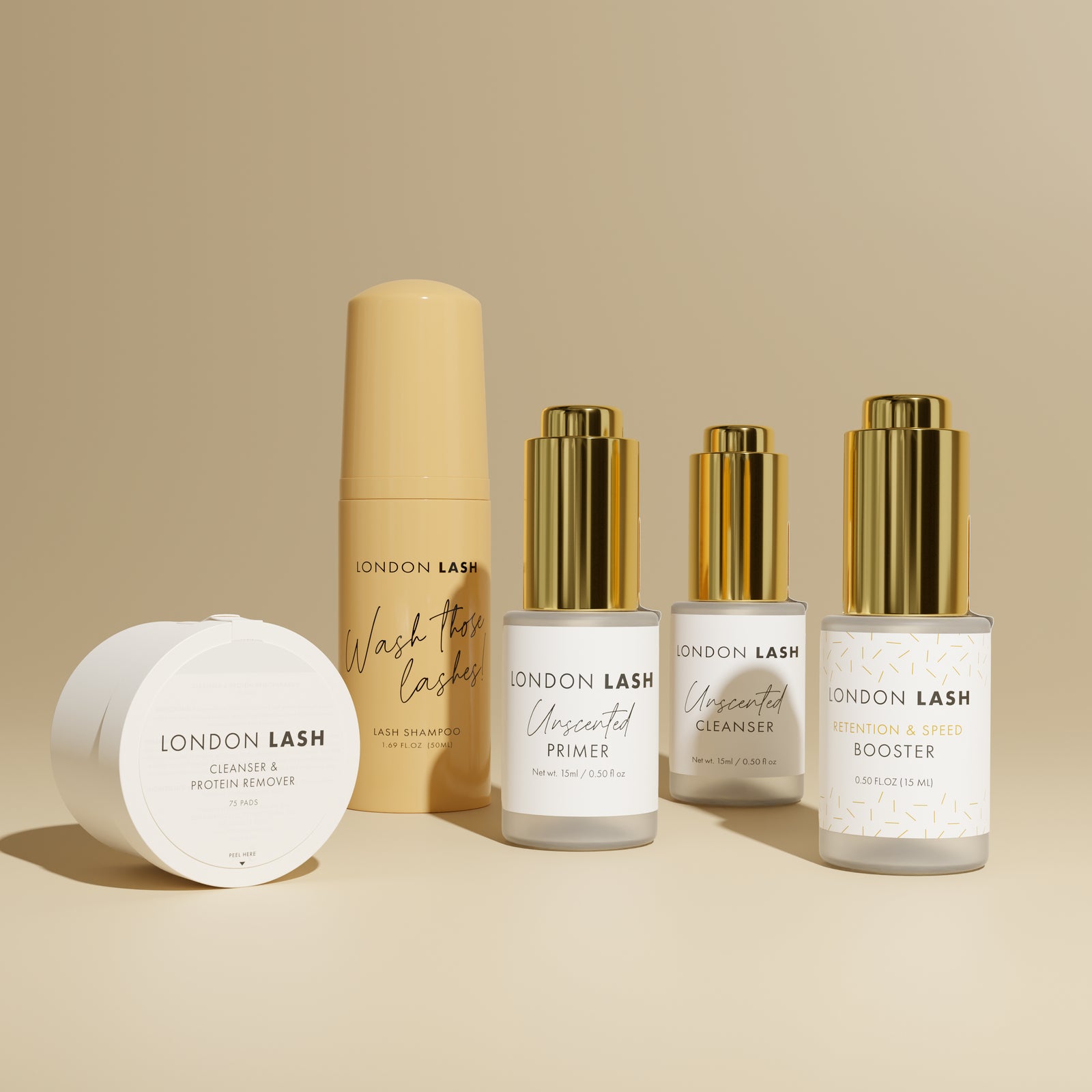
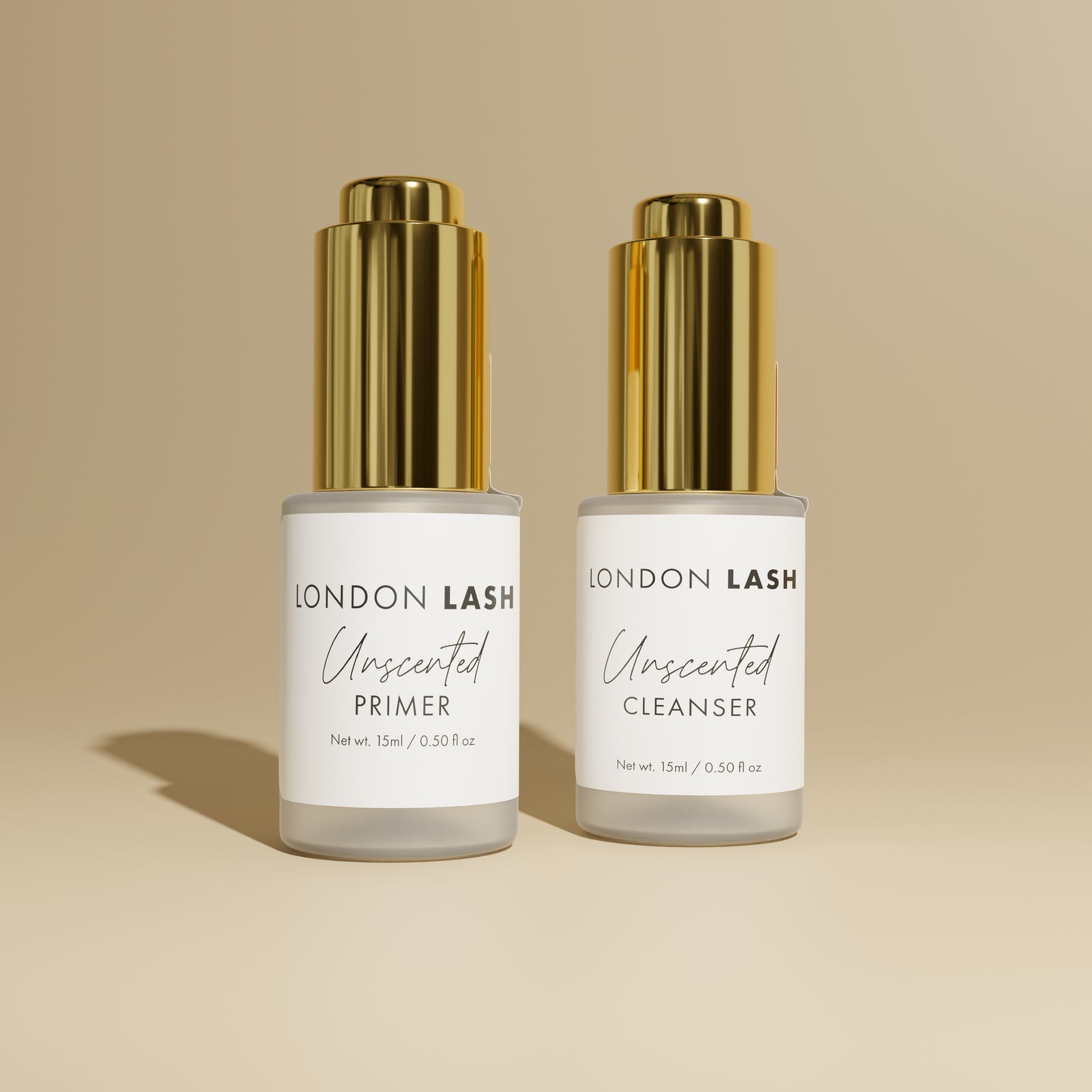
A suitable lash cleansing duo can provide the tools for the initial cleansing stage. Use the cleanser according to its directions, work gently, and rinse thoroughly so no foam or loosened residue remains.
If further cleansing is needed, use an appropriate product according to its instructions. Protein Remover Pads may form part of your routine, but they should not replace thorough rinsing after shampoo.
Prepare for Pad Application
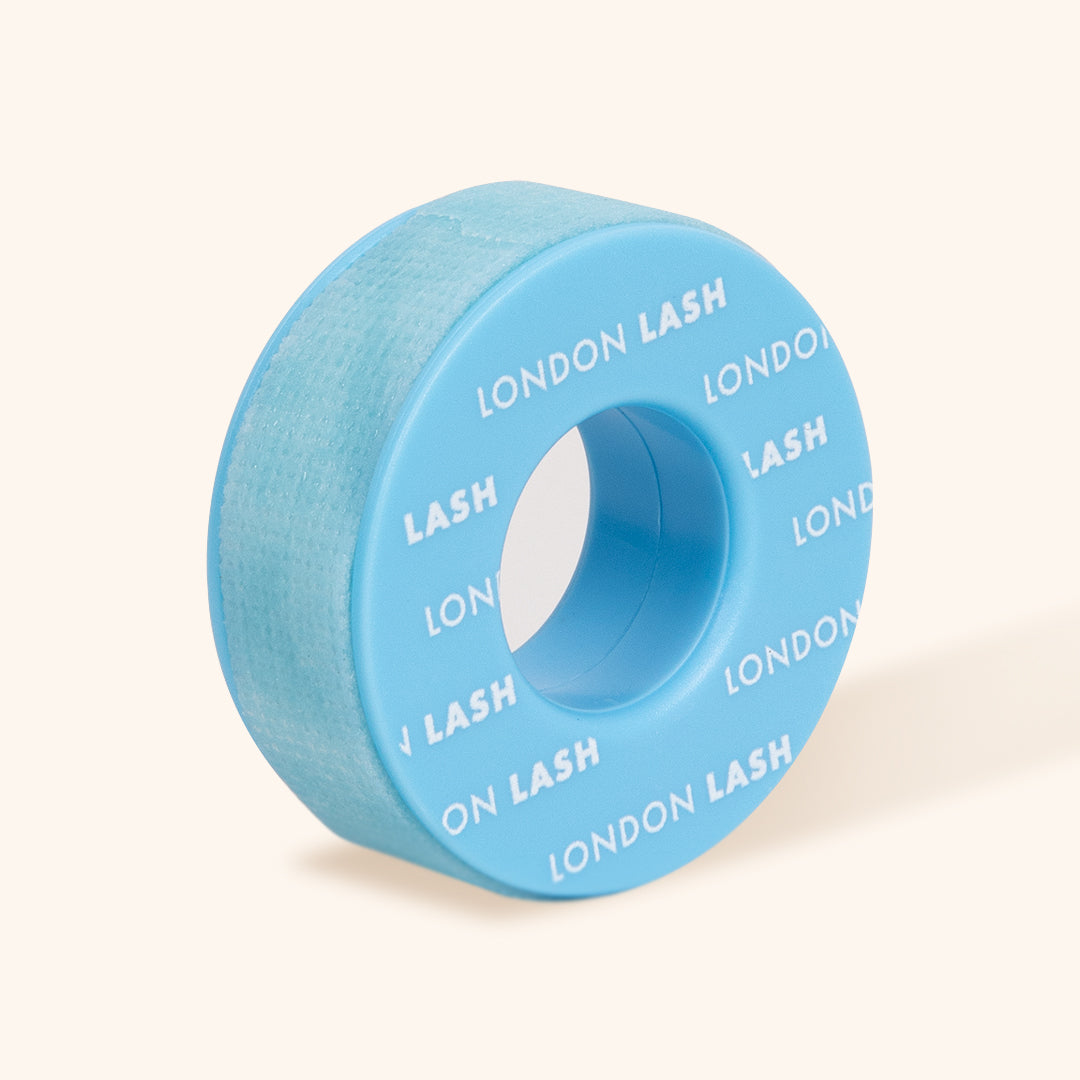
Allow the skin to reach the condition specified by the pad manufacturer before placing the pads. Check their shape and position, ensure the lower lashes are appropriately protected, and confirm that the client can close their eyes comfortably.
If a pad continues to lift, reassess the fit and product condition rather than repeatedly pressing it back into place. An alternative suitable pad or tape arrangement may be needed within your trained technique.

Under-Eye Pad Troubleshooting Checklist
| What You Notice | What to Check | Practical Next Step |
|---|---|---|
| Pad lifts soon after placement | Skincare residue, skin moisture, pad condition, and fit. | Prepare the area as directed and reassess the pad before continuing. |
| Inner corner keeps lifting | Whether the pad shape follows the individual eye area. | Adjust placement or choose a suitable alternative within your training. |
| Lashes become covered or exposed | Whether the pad has shifted during the appointment. | Pause application and restore appropriate separation and protection. |
| Client reports discomfort | Pad position and whether it interferes with comfortable eye closure. | Stop application and address the discomfort before proceeding. |
Good preparation can make pad placement more reliable, but it doesn’t guarantee that a pad will never move. Keep checking the working area and your client’s comfort throughout the treatment.
Frequently Asked Questions
Why Won’t Under-Eye Pads Stick to My Client’s Skin?
Possible reasons include skincare residue, moisture, unsuitable placement, or the condition of the pad. Review these factors together rather than assuming the client’s skin type is the only cause.
Should I Use More Tape if an Eye Pad Keeps Lifting?
First check why it is lifting. Additional tape may not resolve residue, moisture, or an unsuitable fit. Use only products and placement methods appropriate to the treatment and your professional training.
Do I Still Need to Cleanse if the Client Has No Makeup On?
Yes—assess and prepare the lashes and intended pad placement area before treatment. Skincare products and everyday residue can be present even when no makeup is visible.
Can Lash Cleanser and Primer Be Used on the Skin?
Only use a product on the areas specified by its manufacturer. A liquid intended for natural lash preparation is not automatically suitable for cleansing the surrounding skin.
Does Secure Pad Placement Replace Other Application Checks?
No. You still need to monitor eye closure, lower-lash protection, isolation, and attachment throughout the appointment. Skin preparation and pad placement are parts of the wider treatment process.
A little attention to preparation can save repeated interruptions later. Start with suitable products, check the fit, and keep monitoring placement so you can focus on precise application and a comfortable client experience.