Eyelid Tape: A Lash Kit Must-Have
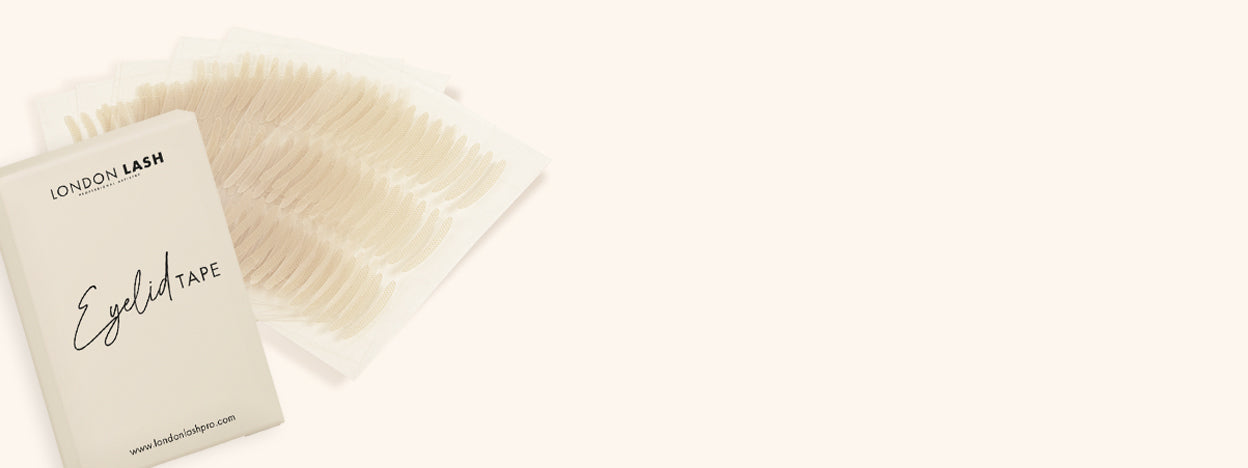

Table of Contents
Problems With Isolating Lashes? Eyelid Tape Is Here to Save the Day!
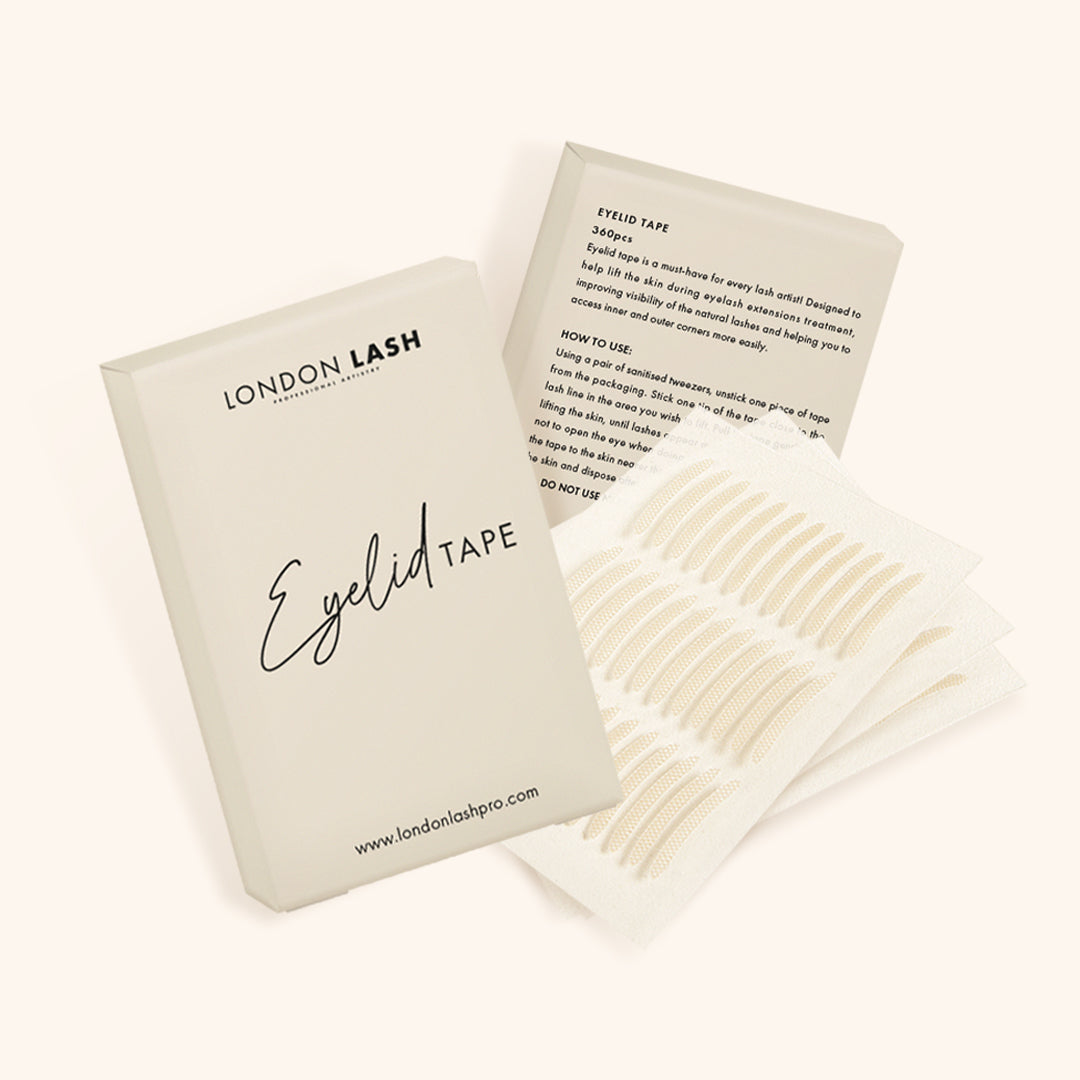
Our eyelid tape is flying off the shelves, and we know why! There are so many benefits of using eyelid tape; it will make your life as a lash technician so much easier.
Eyelid tape can help you keep lashes away from the eyepatch and reach those tiny, hard-to-isolate lashes. Let us introduce you to our sticky but not tricky eyelid tape.

Eyelid Tape
We know that cutting your lash tape into small strips can be a hassle. It can waste time, and sometimes you can never cut that perfect piece. Although a roll of tape is handy, pre-cut eyelid tape is even handier. Eyelid tape can be used in multiple ways, making it a useful addition to any lash technician’s kit.
London Lash eyelid tape can help you access the lash line more easily. Always assess your client’s skin sensitivity and suitability before use.
“Why would I use eyelid tape?” you might be asking.
1. Mature or Hooded Eyelids
If your client has hooded eyes or mature eyelids, it may be harder to apply eyelash extensions because the skin can overlap or sit extremely close to the lash line. You will likely come across clients with hooded lids or clients whose skin produces less collagen and elastin due to aging. It’s completely normal and not uncommon.
To reveal your client’s lash line, use your isolation tweezers to position one end of the tape on the eyelid, then gently lift the skin by attaching the other end to a higher point. Make sure the eye remains fully closed. This can help you see the base of each lash and apply extensions more easily.

2. Downward-Growing Lashes
Isn’t it frustrating when your client’s lashes are sticking to the eyepatch? London Lash eyelid tape can help. Use the previous method to gently lift the natural lashes away from the eyepatch, checking that the client’s eyes remain fully closed.
3. Lashing Inner Corners
One of the most common issues lash technicians face is lashing the inner or outer corners. If your client has lots of tiny lashes that are difficult to isolate, eyelid tape can help.
There’s nothing worse than thinking you’ve finished a lash set and realizing that you’ve missed a few corner lashes. Especially when creating Russian volume lashes with a full and fluffy effect, the inner corners really make a difference.
To expose those hard-to-lash inner corners, place one end of the tape near the inner corner and gently lift the skin towards the middle of the eyelid. You can also use a criss-cross arrangement if you are struggling to isolate and lash the outer corners. Avoid excessive tension and check that the eyes stay fully closed.
Watch the eyelid tape tutorial on Instagram
A post shared by Lash Extension Supplies (@london_lash_usa).
4. Keeping Eyes Fully Closed
If your client’s eyes are not fully closed, adhesive fumes can reach the eye surface during treatment and cause irritation. Check eyelid closure throughout the appointment, particularly after adjusting tape or eyepatches.
Eyelid tape can help support eyelid positioning when used correctly, but it does not guarantee protection from irritation. Follow your training and product instructions, and do not continue applying extensions if the eyes cannot remain fully closed.

Not sure how to use eyelid tape? Check out our London Lash USA Instagram for tips and tricks.
Our Other Eye Tapes
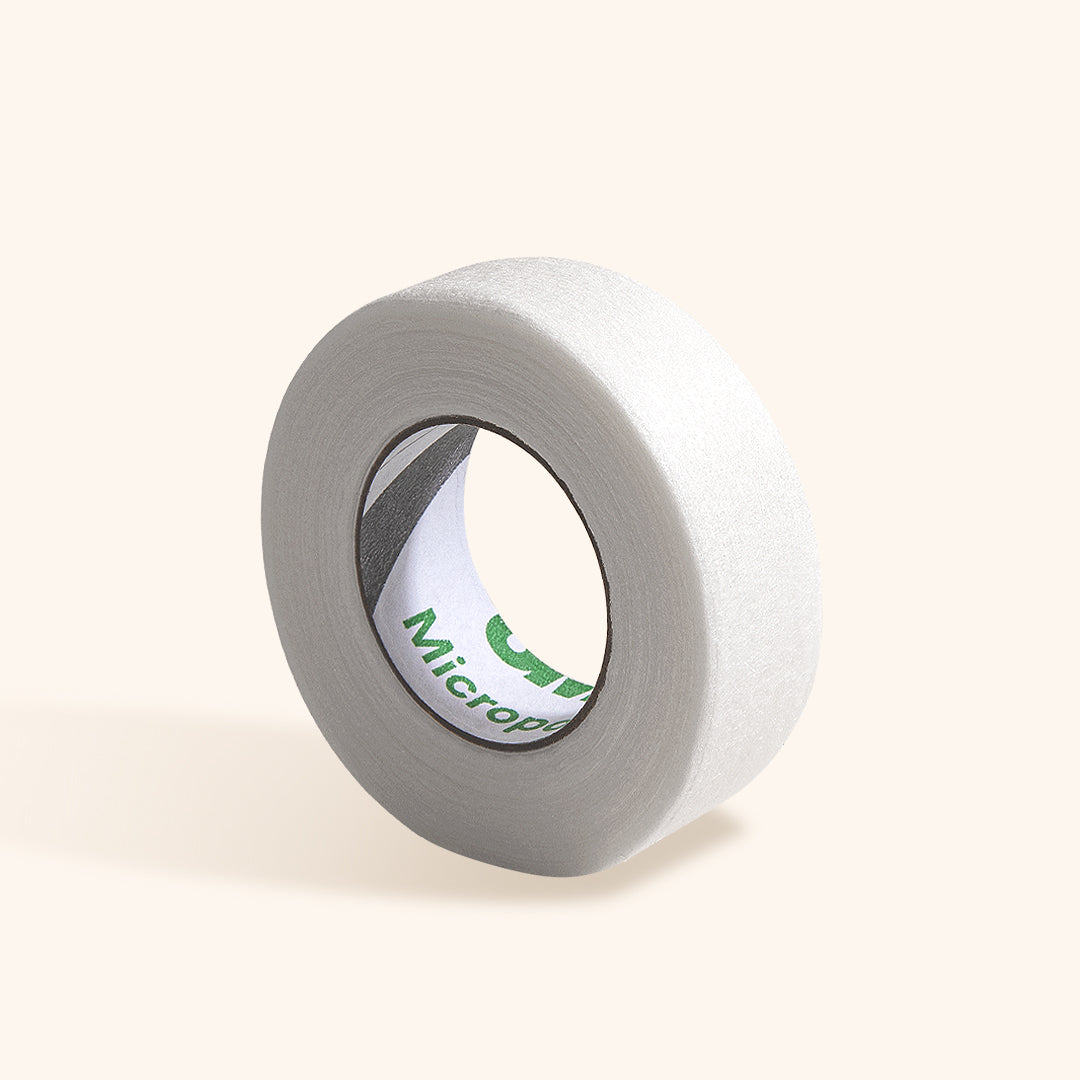
3M Micropore Tape
Struggling to keep those bottom lashes down? Our 3M Micropore Tape helps secure them. Eyepatches protect your client’s bottom lashes, but sometimes a few lashes pop out unexpectedly. Use a small piece of micropore tape to secure those lashes to the eyepatch, keeping the tape clear of the eye surface.
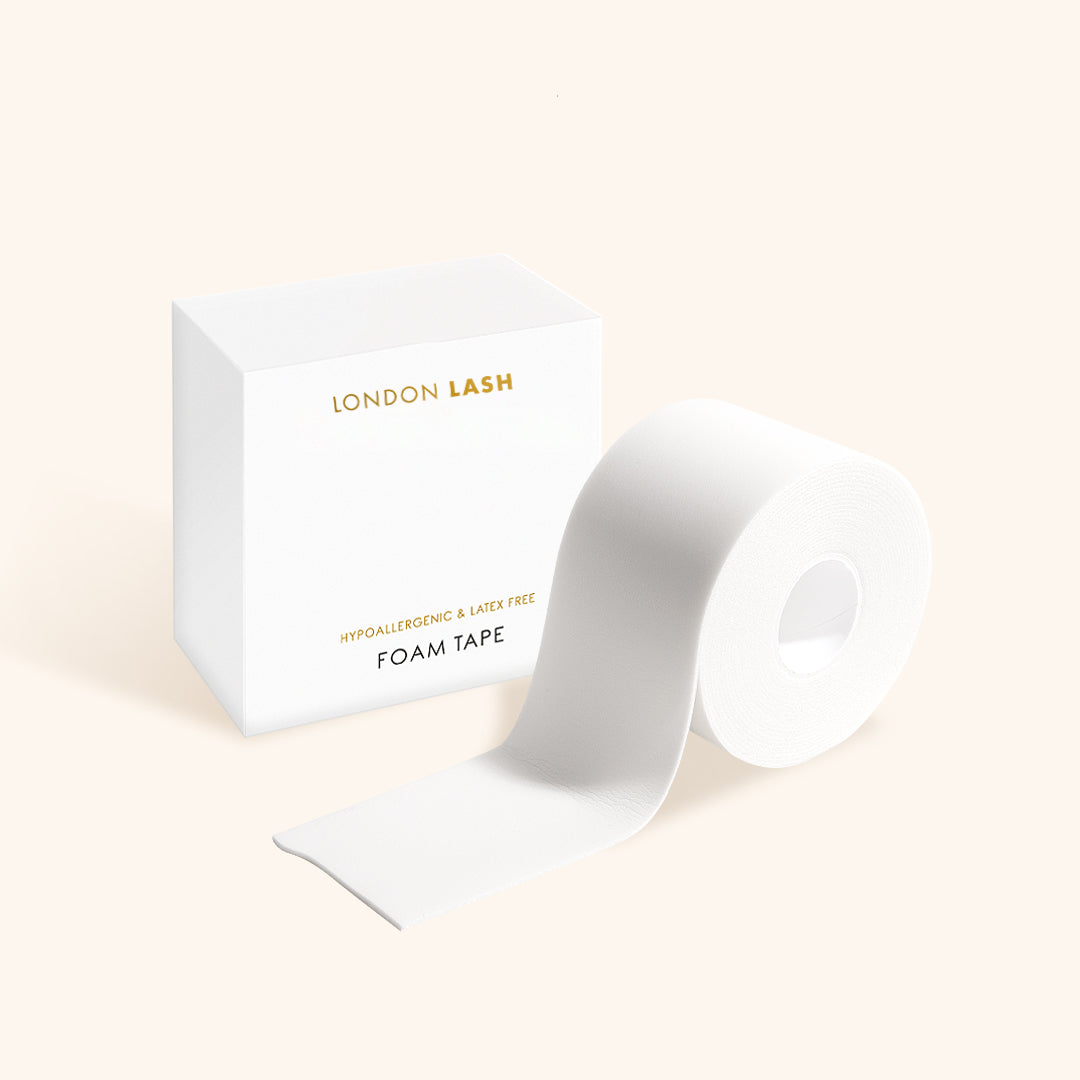
Foam Tape
An alternative to eyepatches, foam tape can be useful when working with different eye shapes or clients who cannot tolerate a particular eyepatch. Check the tape’s suitability for each client, especially if they have a history of adhesive sensitivity.
Its cushioned surface helps cover the lower lashes and provides a useful base for sketching your lash maps. Always position it carefully and check your client’s comfort before starting the treatment.

Dynarex Paper Surgical Tape
Similar to 3M Micropore Tape, our paper surgical tape helps secure lower lashes to the eyepatches, hold eyepatches in place, and improve access to the inner and outer corners.
The paper finish allows you to map out your client’s eyelash extension style. It is breathable and easy to tear, especially when using a tape holder and cutter. If you prefer smaller rolls, Dynarex Paper Surgical Tape could be a good option.
Perforated Transparent Medical Tape
Perforated transparent tape is useful when you want to see the lashes you have secured underneath it. If your client’s lower lashes are creeping out from under the eyepatch and getting stuck to the extensions, this tape can help hold them in place.
It features bi-directional perforations, making it easy to tear. Remove it gently after treatment, taking care around the delicate eye area.
Top tip: You can also use lash tape to apply lashes in layers and for the tape-back method.